Gmacvh Health & Fitness Gas Medis dalam Perspektif Keselamatan Pasien, Efisiensi Operasional, dan Kepatuhan terhadap Standar Internasional di Fasilitas Pelayanan Kesehatan

Gas Medis dalam Perspektif Keselamatan Pasien, Efisiensi Operasional, dan Kepatuhan terhadap Standar Internasional di Fasilitas Pelayanan Kesehatan

Gas medis merupakan komponen vital dalam sistem pelayanan kesehatan modern. Oksigen, nitrogen, nitrous oxide, udara medis, dan gas anestesi lainnya digunakan setiap hari untuk menunjang diagnosis, terapi, serta tindakan bedah. Karena berhubungan langsung dengan fungsi vital pasien, pengelolaan gas medis tidak hanya menjadi isu teknis, tetapi juga menyangkut keselamatan pasien, efisiensi operasional rumah sakit, dan kepatuhan terhadap standar internasional yang ketat.

Keselamatan Pasien sebagai Prioritas Utama

Keselamatan pasien adalah landasan utama dalam penggunaan gas medis. Kesalahan dalam jenis gas, tekanan, atau sistem distribusi dapat menimbulkan risiko serius, bahkan fatal. Oleh karena itu, sistem gas medis harus dirancang dengan prinsip fail-safe, memiliki kode warna yang jelas, serta dilengkapi dengan sistem alarm untuk mendeteksi kebocoran, tekanan abnormal, atau kegagalan pasokan.

Selain aspek teknis, faktor sumber daya manusia juga sangat menentukan. Tenaga kesehatan perlu memahami fungsi masing-masing gas, cara penggunaan yang benar, serta prosedur darurat bila terjadi gangguan. Pelatihan berkala dan simulasi insiden menjadi bagian penting dari budaya keselamatan. Dengan demikian, risiko kesalahan manusia dapat diminimalkan, dan pasien memperoleh terapi yang aman serta tepat.

Efisiensi Operasional dan Keberlanjutan Layanan

Dari sudut pandang operasional, pengelolaan gas medis yang efisien berkontribusi langsung terhadap kelancaran layanan rumah sakit. Sistem sentral generator oksigen , misalnya, memungkinkan distribusi gas yang stabil ke berbagai unit perawatan tanpa ketergantungan pada tabung individual yang harus sering diganti. Hal ini mengurangi waktu henti layanan, beban kerja staf, serta biaya logistik.

Efisiensi juga berkaitan dengan pemeliharaan dan manajemen aset. Peralatan seperti manifold, pipa distribusi, dan outlet gas memerlukan inspeksi rutin agar berfungsi optimal. Perencanaan kebutuhan gas yang akurat membantu rumah sakit menghindari pemborosan sekaligus mencegah kekurangan pasokan pada saat kritis. Dalam jangka panjang, efisiensi operasional ini mendukung keberlanjutan layanan kesehatan dan pengendalian biaya.

Peran Standar Internasional dalam Menjamin Mutu

Standar internasional berfungsi sebagai acuan global untuk menjamin mutu dan keselamatan sistem gas medis. Standar seperti ISO dan pedoman dari organisasi kesehatan dunia memberikan kerangka kerja yang mencakup desain, instalasi, pengujian, hingga pemeliharaan sistem. Kepatuhan terhadap standar ini memastikan bahwa fasilitas kesehatan beroperasi dengan tingkat keselamatan yang setara secara global.

Penerapan standar internasional juga memudahkan integrasi teknologi baru dan audit mutu. Rumah sakit yang mengikuti standar cenderung lebih siap menghadapi akreditasi, baik nasional maupun internasional. Selain itu, standar membantu menciptakan keseragaman prosedur, sehingga tenaga kesehatan yang berpindah antar fasilitas tetap dapat bekerja dengan aman dan efektif.

Tantangan dan Upaya Peningkatan di Indonesia

Di Indonesia, tantangan pengelolaan gas medis meliputi keterbatasan infrastruktur, variasi kualitas fasilitas, serta perbedaan tingkat pemahaman teknis. Namun, peluang peningkatan terbuka lebar melalui investasi infrastruktur, peningkatan kapasitas SDM, dan adopsi standar internasional secara bertahap. Kolaborasi antara pemerintah, rumah sakit, penyedia teknologi, dan institusi pendidikan menjadi kunci keberhasilan.

Digitalisasi dan pemantauan berbasis sensor juga mulai diterapkan untuk meningkatkan kontrol dan transparansi penggunaan gas medis. Inovasi ini tidak hanya meningkatkan keselamatan pasien, tetapi juga memperkuat efisiensi operasional.

Penutup

Gas medis adalah elemen krusial yang menyatukan aspek klinis, teknis, dan manajerial dalam pelayanan kesehatan. Dengan menempatkan keselamatan pasien sebagai prioritas, mengelola sistem secara efisien, dan mematuhi standar internasional, fasilitas kesehatan dapat memberikan layanan yang aman, berkualitas, dan berkelanjutan. Pendekatan holistik inilah yang akan memastikan gas medis benar-benar menjadi penopang utama dalam sistem kesehatan modern.

Leave a Reply

Your email address will not be published. Required fields are marked *

Related Post

How to Get a DOT Physical at Grove City Urgent CareHow to Get a DOT Physical at Grove City Urgent Care

Different Types of Doctors & Their Roles Explained

Undergoing a Department of Transportation (DOT) physical is an essential step for commercial drivers to ensure they meet the medical requirements for operating commercial vehicles safely. Many drivers wonder where they can get this examination done efficiently, and Grove City in Urgent Care provides an accessible solution for those who need a quick and professional assessment. A DOT physical is a comprehensive medical evaluation that verifies a driver’s overall health and fitness to operate commercial vehicles. This includes checking vital signs, vision, hearing, and other essential health markers.

Understanding the DOT Physical

A DOT physical is not just a routine checkup. It is a mandatory medical evaluation regulated by the Department of Transportation for all commercial drivers. During this examination, the medical professional will assess a driver’s ability to safely operate a commercial motor vehicle. The evaluation includes an examination of the heart, lungs, blood pressure, vision, hearing, and sometimes additional laboratory tests if necessary. Ensuring that drivers meet these requirements is crucial for their safety and the safety of everyone on the road.

Why Choose Grove City Urgent Care for DOT Physicals

Grove City Urgent Care offers convenient access for drivers needing a DOT physical without the need for long appointments or complicated scheduling. The urgent care center provides experienced medical staff familiar with DOT regulations, making the process straightforward and efficient. Drivers can visit Grove City Urgent Care to get their required DOT evaluation completed in a timely manner, ensuring they remain compliant with federal regulations while maintaining their driving schedules.

What to Expect During a DOT Physical

When you schedule a DOT physical at Grove City Urgent Care, the process begins with a review of your medical history, including any medications you take and any past medical conditions. Next, the healthcare provider will conduct a physical examination, which typically includes checking vital signs such as blood pressure, heart rate, and respiratory function. Vision and hearing tests are also performed to ensure that drivers can safely operate vehicles. In some cases, additional tests such as blood work or urine analysis may be required to confirm overall health.

Preparing for Your DOT Physical

Preparation for a DOT physical is important to ensure a smooth examination. Drivers should bring necessary documentation, including a valid identification card and any medical records relevant to their health history. It is also recommended to get adequate rest the night before the examination and to avoid substances that could temporarily affect your results, such as alcohol or certain medications, unless prescribed by a physician. Proper preparation can help make the DOT physical process quicker and more efficient at Grove City Urgent Care.

Benefits of Getting a DOT Physical at Grove City Urgent Care

One of the main advantages of completing a DOT physical at Grove City Urgent Care is the combination of professional service and convenience. Drivers can access timely medical care without having to wait for long appointments, and they receive evaluations from staff experienced with DOT regulations. Completing your DOT physical at an urgent care center ensures that you remain compliant with federal requirements while minimizing disruptions to your work schedule.

Maintaining Compliance After the DOT Physical

After completing your DOT physical at Grove City Urgent Care, it is important to maintain your health and ensure continued compliance with DOT standards. Regular checkups, healthy lifestyle choices, and monitoring any medical conditions can help prevent issues that may affect your ability to drive commercially. Being proactive about your health ensures that you can pass future DOT physicals with ease and continue driving safely on the road.

Conclusion

Scheduling a DOT physical at Grove City Urgent Care is an effective way for commercial drivers to meet federal medical requirements. The process is straightforward, with experienced medical staff conducting comprehensive evaluations to ensure drivers are fit for duty. By preparing ahead of time, understanding the steps involved in the examination, and maintaining good health, drivers can complete their DOT physical efficiently and continue operating their vehicles safely. Grove City Urgent Care provides a convenient and professional solution for all your DOT physical needs, ensuring that drivers meet regulatory requirements without unnecessary delays.


Supporting Elderly Independence: The Key to Tailored Care ServiceSupporting Elderly Independence: The Key to Tailored Care Service

As our loved ones age, one of the most important considerations is maintaining their independence while ensuring their safety and well-being. Finding the right balance between offering care and respecting autonomy is essential for elderly individuals, and at ElderlyDB.hk, we understand the complexity of this challenge. Our platform is dedicated to providing families in Hong Kong with the tools they need to find elderly 長者安老 solutions that enhance both comfort and independence.

Whether your loved one requires full-time residential care or part-time assistance at home, ElderlyDB.hk offers a range of services designed to meet varying needs. From nursing homes to home care services, we provide detailed information on the most trusted and reputable elderly care providers across Hong Kong. Families can easily search for facilities and services based on specific criteria such as location, price range, medical care requirements, and more.

One of the core principles of elderly care is promoting independence as much as possible, and we believe in empowering seniors to live their lives to the fullest. Our platform includes options for assisted living, where elderly individuals can retain a sense of autonomy while receiving support with daily activities such as meal preparation, medication management, and personal care. We also offer resources for those seeking specialized care, such as dementia or Alzheimer’s care, which requires a personalized approach that prioritizes cognitive health and emotional well-being.

ElderlyDB.hk goes beyond providing a directory of services – we offer families guidance on financial options, including government subsidies and insurance plans, to ensure that the chosen care solution is not only effective but also affordable. We are committed to helping families navigate the complex landscape of elderly care and find solutions that prioritize their loved ones’ health, comfort, and independence.

Through thoughtful, tailored care solutions, we help seniors maintain their dignity and enjoy their later years with confidence. At ElderlyDB.hk, we are proud to support families in making informed, compassionate choices that provide the best possible care for their elderly relatives.

Is Terea Soft Fuse A Workable Smoking Surcease Aid?Is Terea Soft Fuse A Workable Smoking Surcease Aid?

As smoke cadaver one of the leading causes of preventable deaths world-wide, determination operational cessation aids is material. While traditional methods, such as nicotine patches and gum, have helped many quit, Terea Soft Fuse presents a new option. This article examines whether winston silver stärke can aid in smoke surcease and help smokers transition to a fume-free life.

Smoking Cessation Tools

Traditional smoke surcease aids, such as nicotine alternate therapy(NRT), work by step by step reducing nicotine dependance. However, these methods don’t needfully turn to the behavioral aspects of smoke, which can make quitting stimulating. Terea Soft Fuse offers a different set about by providing a similar smoking undergo without the deadly work, potentially serving smokers step by step reduce their nicotine ingestion.

How Terea Soft Fuse Can Help in Reducing Smoking

For smokers looking to quit, switch to Terea Soft Fuse may cater a safer option that still delivers nicotine. It can be used as part of a narrow scheme, where individuals easy tighten their nicotine expenditure without resorting to smoke traditional cigarettes. The drum sander see and applied science may make it easier for smokers to passage from orthodox smoking to non-smoking habits.

User Experiences in Quitting Smoking

Many users have reported succeeder in reducing their fag consumption by using alternatives like Terea Soft Fuse. By providing a familiar spirit smoking ritual without the deadly personal effects of combustion, Terea Soft Fuse can serve as a stepping stone for smokers who want to quit.

Conclusion

While more research is requisite, Terea Soft Fuse shows promise as a executable smoke cessation aid. Its power to supply a less vesicant, gentle passage away from traditional smoke could help individuals quit or tighten their nicotine consumption over time.

Ethical Considerations in Elderly CareEthical Considerations in Elderly Care

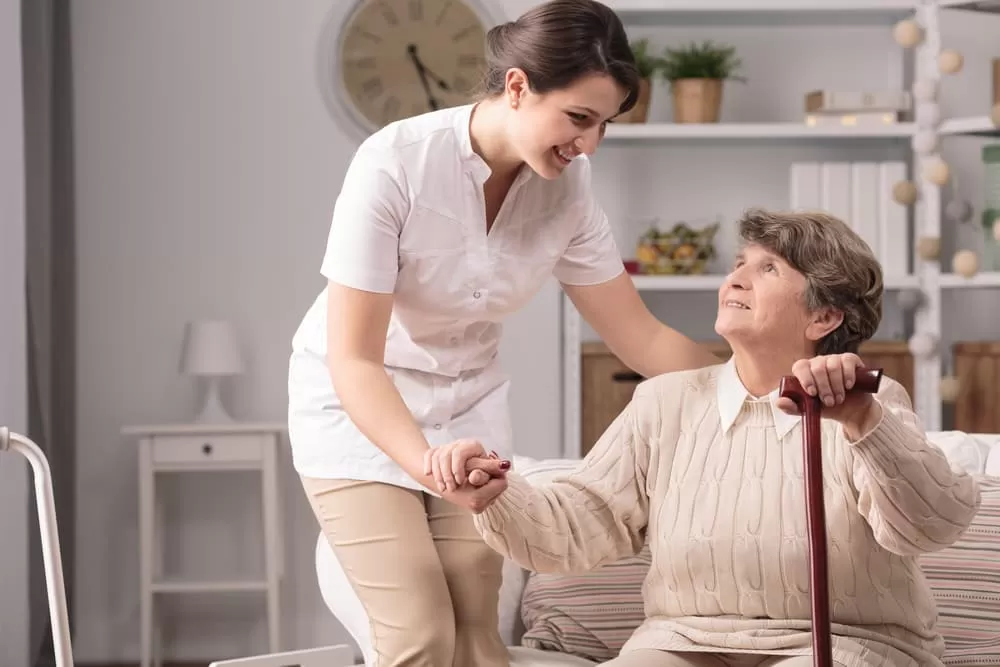
Elderly care is one of the most sensitive and important aspects of modern healthcare. As people age, their physical and cognitive abilities may decline, and they often require specialized support.

Facilities like sheth jeebun elderly assistance home provide a structured environment where seniors can receive medical, emotional, and social support.

However, providing care is not just about meeting physical needs; it also involves complex ethical considerations. Balancing respect, dignity, autonomy, and safety becomes a daily challenge for caregivers, families, and healthcare professionals.

This guide explores the ethical principles, challenges, and best practices in elderly care, ensuring that seniors receive compassionate and responsible support while maintaining their rights and dignity.

Ethics in Elderly Care

Ethics in elderly care involves determining what is morally right when providing services, support, or medical treatment to older adults. Caregivers and institutions face decisions daily that impact the well-being of seniors. Ethical care ensures that these decisions respect human dignity, promote fairness, and prioritize the best interests of the elderly.

At sheth jeebun elderly assistance home, ethical principles guide every interaction, from routine medical checkups to end-of-life care. Understanding these principles is crucial for anyone involved in eldercare.

The Importance of Ethical Decision-Making

Ethical decision-making in elderly care is critical because seniors are often vulnerable due to age-related conditions, cognitive decline, or social isolation. Poor ethical practices can lead to neglect, abuse, or loss of autonomy. On the other hand, ethical practices enhance trust, improve quality of life, and ensure that seniors feel valued and respected.

Key Ethical Principles in Elderly Care

Several core principles guide ethical elderly care. These principles help caregivers, families, and institutions make decisions that protect seniors while providing high-quality support.

Autonomy and Independence

Autonomy refers to the ability of seniors to make decisions about their own lives. Respecting autonomy means allowing older adults to make choices about their care, daily routines, and lifestyle, even if their decisions differ from what caregivers might prefer.

At facilities like sheth jeebun elderly assistance home, seniors are encouraged to participate in decisions about their care plans. This approach not only respects their independence but also promotes self-esteem and mental well-being.

Beneficence

Beneficence means acting in the best interest of the elderly. Caregivers must ensure that every action they take benefits the senior, whether it’s providing medical treatment, assisting with daily activities, or offering emotional support.

For example, a caregiver might encourage a senior to engage in light exercise or social activities to improve health and happiness, always ensuring that actions align with the individual's preferences and safety.

Non-Maleficence

Non-maleficence is the principle of "do no harm." Caregivers must avoid actions that could cause physical, emotional, or psychological harm. This principle is particularly important in elderly care because seniors are often fragile and more susceptible to injury or emotional distress.

Institutions like sheth jeebun elderly assistance home implement strict safety protocols, medication monitoring, and staff training to prevent harm and ensure the well-being of residents.

Justice and Fairness

Justice involves treating seniors fairly, without discrimination or bias. Every elderly individual deserves equal access to care and resources, regardless of gender, socioeconomic status, or cultural background.

Fair treatment also extends to how resources are allocated within care facilities. Ethical institutions ensure that all residents have access to medical care, nutritious meals, and recreational opportunities.

Dignity and Respect

Dignity and respect are fundamental in elderly care. Seniors should be treated as valued individuals, not just as patients or recipients of care. This includes using polite language, listening attentively, and respecting privacy during personal care activities.

Sheth jeebun elderly assistance home prioritizes dignity by creating a compassionate environment where seniors feel recognized and respected in every interaction.

Common Ethical Challenges in Elderly Care

Even with clear principles, elderly care often involves ethical dilemmas. Understanding these challenges can help caregivers and families make informed, compassionate decisions.

End-of-Life Decisions

End-of-life care is one of the most complex ethical areas in eldercare. Seniors or their families may need to make decisions about life-sustaining treatments, palliative care, or hospice services. Balancing the desire to prolong life with quality of life considerations requires careful discussion and ethical judgment.

Caregivers at sheth jeebun elderly assistance home work closely with families and medical professionals to respect the wishes of residents while ensuring safe and humane care.

Cognitive Decline and Consent

Many seniors experience cognitive decline due to conditions like dementia or Alzheimer’s disease. This can affect their ability to provide informed consent for medical procedures or personal care.

In these cases, caregivers must navigate consent carefully, often consulting legal guardians, family members, or ethical committees to ensure decisions reflect the best interests of the senior.

Privacy and Confidentiality

Respecting privacy and maintaining confidentiality are critical ethical responsibilities. Seniors have the right to control access to their personal information, medical records, and daily routines.

Ethical care facilities, including sheth jeebun elderly assistance home, have policies in place to safeguard sensitive information and protect residents’ personal boundaries.

Balancing Family Involvement and Individual Rights

Families often want to be deeply involved in decision-making, but caregivers must balance family input with the senior’s own preferences. Conflicts can arise when family wishes differ from the desires of the elderly resident.

Ethical caregivers facilitate open communication, mediate disputes, and ensure that the senior’s voice remains central in all care decisions.

Resource Allocation

Limited resources in eldercare facilities can pose ethical challenges. Caregivers and administrators must decide how to allocate time, staff, and medical resources fairly among residents.

Sheth jeebun elderly assistance home addresses this by using transparent policies and prioritizing the needs of each resident while maintaining fairness and equity.

Ethical Practices in Daily Elderly Care

Implementing ethical practices in everyday routines is essential for maintaining a safe and respectful environment.

Transparent Communication

Clear, honest communication with seniors and their families builds trust. Explaining care plans, medical procedures, and daily activities ensures that residents feel informed and empowered.

Personalized Care

Every senior has unique needs, preferences, and life experiences. Ethical care requires personalized attention, adapting routines, meals, and activities to suit each individual while respecting cultural and personal values.

Encouraging Social Interaction

Isolation is a major concern for seniors. Ethical care promotes social interaction through group activities, games, and communal meals. Social engagement supports mental health, emotional well-being, and overall quality of life.

Staff Training and Accountability

Ethical eldercare depends on well-trained staff who understand ethical principles and are accountable for their actions. Regular training in medical ethics, patient rights, and communication skills ensures that caregivers provide competent and compassionate care.

Advocacy for Seniors

Ethical care includes advocating for the rights and needs of seniors. Caregivers must be vigilant against neglect, abuse, or discrimination, ensuring that residents are protected and supported.

Legal and Ethical Frameworks

Elderly care is guided not only by moral principles but also by legal standards. Understanding these frameworks is crucial for caregivers and institutions.

Patient Rights

Seniors have legal rights to healthcare, privacy, autonomy, and protection from abuse. Ethical caregivers respect these rights and ensure they are upheld in all interactions.

Regulations and Licensing

Eldercare facilities must comply with government regulations, licensing requirements, and safety standards. Adhering to these rules is both a legal obligation and an ethical responsibility.

Professional Ethical Codes

Organizations such as nursing associations and medical boards provide ethical codes for professionals working with seniors. These codes guide behavior, decision-making, and professional conduct in daily eldercare.

The Role of Technology in Ethical Elderly Care

Technology can enhance ethical care by supporting safety, communication, and health monitoring.

Telemedicine

Telemedicine allows seniors to access medical consultations without leaving their homes. This ensures timely care while respecting mobility limitations and personal comfort.

Monitoring Devices

Wearable devices and home sensors help caregivers monitor health metrics such as heart rate, movement, and sleep patterns. Ethical use of these devices requires informed consent and respect for privacy.

Digital Communication

Video calls and messaging platforms help seniors maintain social connections. Ethical care ensures that technology supplements human interaction rather than replacing it, promoting emotional well-being.

Cultural Sensitivity in Elderly Care

Ethical elderly care also involves cultural sensitivity. Seniors come from diverse backgrounds, and care must respect cultural norms, dietary preferences, religious practices, and communication styles.

Caregivers at sheth jeebun elderly assistance home are trained to recognize and accommodate cultural differences, ensuring that all residents feel understood, respected, and included.

Conclusion

Ethical considerations in elderly care are multifaceted and require constant attention, empathy, and judgment. Respecting autonomy, promoting beneficence, preventing harm, ensuring fairness, and upholding dignity are central to high-quality eldercare. Facilities like sheth jeebun elderly assistance home exemplify ethical care by combining professional standards, compassionate practices, and personalized attention.

As the elderly population grows, society must prioritize ethical frameworks in caregiving. By fostering understanding, promoting education, and implementing clear ethical guidelines, caregivers can provide a safe, respectful, and empowering environment for seniors. Ethical elderly care is not just a professional duty—it is a moral commitment to protect and honor the lives of older adults.

Through thoughtful decision-making, transparent communication, and respect for individual rights, caregivers can ensure that seniors live with dignity, happiness, and security. Every ethical choice strengthens trust, enriches lives, and reinforces the principle that elderly care is not merely a service but a human responsibility.

 

Suddivisione Tra Le Diverse Distinzioni Tra Le CBD Così Come THC Nei Principali Articoli A Base Di Cannabis Utilizzati Da NoviziSuddivisione Tra Le Diverse Distinzioni Tra Le CBD Così Come THC Nei Principali Articoli A Base Di Cannabis Utilizzati Da Novizi


Il cannabis, una pianta originaria dell’Asia centrale, è stata utilizzata per migliaia di anni per scopi medicinali, religiosi e ricreativi. Sebbene la sua storia sia ricca e complessa, il dibattito moderno sul cannabis si concentra principalmente su due aspetti: i suoi potenziali benefici terapeutici e i rischi associati al suo consumo. Con l’evoluzione della legislazione e una crescente ricerca scientifica, il cannabis sta emergendo come un tema di grande interesse e controversia a livello globale, specialmente in Italia, dove la legalizzazione è un argomento caldo.

Il principio attivo principale del cannabis, il tetraidrocannabinolo (THC), è responsabile degli effetti psicoattivi che alterano la percezione e l’umore. Tuttavia, la pianta contiene anche il cannabidiolo (CBD), che non ha effetti psicoattivi, ma è stato studiato per le sue potenzialità terapeutiche. Il CBD è stato utilizzato in trattamenti per una varietà di disturbi, tra cui epilessia, ansia e dolori cronici. Il fatto che il cannabis contenga sia THC che CBD fa sì che le sue applicazioni mediche siano molto varie, e alcuni paesi, come il Canada e diverse nazioni europee, hanno già implementato politiche di legalizzazione per uso medico.

In Italia, l’uso di cannabis per scopi terapeutici è stato legalizzato nel 2016, ma l’uso ricreativo rimane vietato. Nonostante ciò, il mercato delle cosiddette “cannabis light”, una varietà di torta marijuana con livelli di THC inferiori allo 0,2%, è cresciuto notevolmente negli ultimi anni. Questo tipo di cannabis non provoca effetti psicoattivi significativi e viene utilizzato principalmente per scopi rilassanti e per trattamenti alternativi, come l’alleviamento di dolori muscolari e l’insonnia. Tuttavia, anche l’uso di cannabis light è oggetto di discussioni, con alcuni esperti che avvertono dei possibili rischi di dipendenza e degli effetti collaterali a lungo termine.

Un aspetto cruciale del dibattito sulla cannabis riguarda la salute pubblica. Mentre alcuni studi suggeriscono che l’uso controllato di cannabis possa avere benefici terapeutici, altri mettono in guardia contro gli effetti dannosi sulla salute mentale e fisica. L’abuso di cannabis, in particolare nei giovani, è stato collegato a problemi psicologici come la psicosi e l’ansia, oltre a compromettere la memoria e le funzioni cognitive. In Italia, l’uso di cannabis tra i giovani è aumentato negli ultimi anni, e molte scuole e università hanno avviato programmi di educazione per sensibilizzare i ragazzi sui rischi associati al consumo.

La legalizzazione della cannabis rimane un tema controverso anche per quanto riguarda la sicurezza e l’ordine pubblico. Da un lato, alcuni sostengono che la legalizzazione potrebbe ridurre il mercato nero e migliorare il controllo sulla qualità del prodotto, ma dall’altro, c’è chi teme che potrebbe aumentare il consumo, soprattutto tra i minori, e generare problemi sociali ed economici. La regolamentazione del cannabis, quindi, richiede un delicato equilibrio tra i benefici potenziali e i rischi, oltre a un forte sistema di controllo e educazione.

In conclusione, il cannabis è una pianta dalle molteplici sfaccettature. Sebbene possa offrire vantaggi terapeutici per alcuni, è necessario affrontare con cautela i suoi rischi. La ricerca scientifica e le politiche pubbliche in evoluzione saranno decisive per determinare come il cannabis possa essere utilizzato in modo sicuro ed efficace. Fino ad allora, il dibattito continuerà a dividersi tra coloro che vedono nel cannabis una risorsa e coloro che temono le sue implicazioni per la salute e la società.