
The fashion landscape is undergoing a profound shift. No longer confined to dusty thrift stores, vintage and second-hand clothing have exploded into the mainstream, becoming a powerhouse sector driven by conscious consumerism and a hunger for unique style. For retailers, boutique owners, and fashion entrepreneurs, this represents an unparalleled opportunity. Tapping into this market requires a reliable source, a partner who can provide consistent quality and volume. Navigating the world of bulk vintage clothes is both an art and a science, demanding an eye for quality, an understanding of trends, and access to the right suppliers.
The Resurgence of Retro: Why Vintage Wholesale is Booming
The demand for vintage and second-hand apparel is not a fleeting trend; it’s a fundamental change in how people shop. Several key factors are fueling this boom. Firstly, sustainability is a major driver. Modern consumers are increasingly aware of the environmental impact of fast fashion, from water consumption to textile waste. Choosing wholesale second hand clothes is a direct stand against this disposable culture, promoting a circular economy where garments are valued and reused. This ethical appeal translates directly into brand loyalty and customer trust for retailers who prioritize eco-conscious inventory.
Secondly, individuality is the new luxury. In a world saturated with mass-produced items, wearing vintage is a definitive statement. It allows for self-expression beyond the constraints of current seasonal trends. A curated piece of vintage branded clothing, like a classic band t-shirt or a designer jacket from a specific era, carries a story and a uniqueness that cannot be replicated. This desire for one-of-a-kind pieces empowers retailers to offer collections that set them apart from competitors, attracting a clientele that values authenticity over conformity.
Finally, the economic advantage is significant for both the seller and the end consumer. Sourcing used clothes in bulk often provides a healthier margin compared to new garments, allowing businesses to be more profitable while still offering fair prices. For the customer, it represents access to high-quality, often branded items at a more accessible price point. This combination of ethical, stylistic, and financial benefits creates a powerful market force, making a partnership with a dedicated vintage clothing supplier one of the smartest moves a modern fashion retailer can make.
Mastering the Art of Sourcing: From Bales to Boutiques
Understanding the pipeline of how vintage clothing moves from its original source to a retail rack is crucial for making informed purchasing decisions. The journey typically begins with large-scale aggregation. Specialized companies collect massive volumes of post-consumer textiles from donation centers, rag houses, and sorting facilities across the globe. This is the origin point for true second hand clothing wholesale inventory, often sold in massive bales by weight or category.
The next critical step is sorting and grading. This is where expert knowledge is paramount. Workers meticulously sort through thousands of items, categorizing them by type (e.g., denim, t-shirts, sweaters), era (e.g., 70s, 80s, 90s Y2K), condition, and brand. Grading is a precise system; premium grades include like-new or deadstock items with no flaws, while lower grades may have minor wear or defects. A professional retro clothing supplier does this heavy lifting, ensuring their clients receive pre-vetted, high-grade merchandise instead of unpredictable mixed bales. This saves retailers immense time and resources, mitigating the risk of unsellable inventory.
For those targeting a specific aesthetic or market, seeking out a specialist in branded vintage wholesale is key. These suppliers focus on curating collections that feature recognizable and sought-after labels from decades past. This could range from iconic sports brands and vintage designer wear to defunct brands that have a cult following. The focus is on brand equity and the cultural cachet that the label carries. Whether you are looking for a general mix of quality vintage or a highly curated selection of branded goods, finding a supplier that transparently communicates their sourcing and grading practices is the foundation of a successful business in this niche. For a reliable stream of curated inventory, many top retailers turn to a leading wholesale vintage clothing partner to supply their stores.
Building a Profitable Vintage Inventory: Strategies for Success
Stocking your store with vintage is different from buying new collections. Success hinges on a strategic approach to purchasing, pricing, and presentation. The first rule is to know your audience. A boutique in a trendy urban area might thrive on 90s streetwear and vintage branded clothing from that era, while a store in a more affluent neighborhood might see higher demand for classic designer pieces from the 70s and 80s. Analyze your customer base and buy accordingly, focusing on the styles, sizes, and brands they desire.
Pricing vintage is an art form. Value is determined by a combination of factors: rarity, brand, condition, and current trend relevance. A common mistake is to underprice unique items. Research is essential. Platforms like Etsy, eBay, and specialized vintage resale sites can provide a benchmark for what similar items are selling for, not just listed for. Remember, you are not just selling a garment; you are selling its history, its story, and its uniqueness. This perceived value allows for pricing that reflects the item’s true worth in the current market.
Finally, presentation is everything. Vintage clothing must be presented in a way that emphasizes its value and desirability. This means rigorous cleaning, mending any minor flaws, and steaming or pressing every item before it hits the floor. High-quality photography that captures details, labels, and fabric texture is non-negotiable for online sales. Educate your staff on the pieces’ backgrounds so they can effectively communicate the value to customers. By treating each piece as a valuable commodity, you elevate your entire brand and justify premium pricing, turning a simple rack of ropa vintage al por mayor into a destination for discerning fashion lovers.
Blog

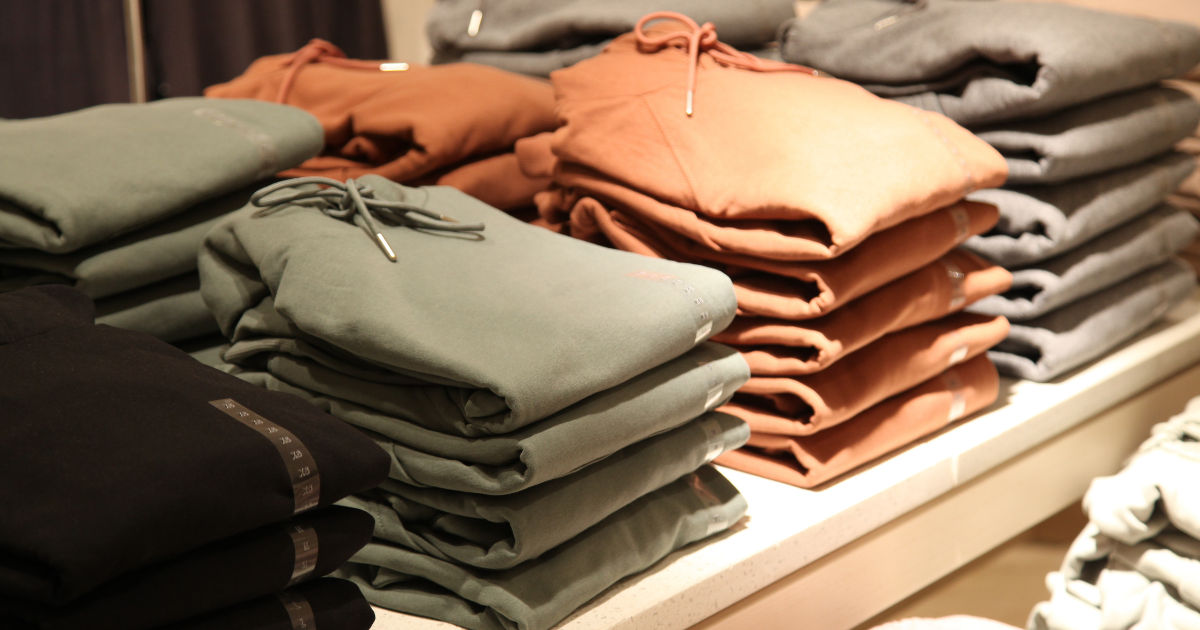 From the iconic logos of high-end brands to limited edition drops, streetwear hoodies are no longer just about staying warm—they are a statement piece.