
Twelve months ago, the 720 class was a footnote in most off-road conversations, a middleweight segment squeezed between entry-level machines and the big-bore flagships. Today, riders in that class are finishing seasons with trophies, tour operators are building fleets around it, and the machines themselves have quietly become the most talked-about vehicles in the segment. This is the story of that rise, told through the moments that defined the year for the SWM Trailhunter platform and the riders who chose it.
January: the promise. The year opened with a simple observation from riders who tested the platform early: the machine felt smaller than its displacement and faster than its price. The secret was weight. By keeping the chassis lean and the power delivery linear, the design team produced a machine that climbed like a bigger quad and turned like a smaller one. That combination set the tone for everything that followed.
March: the first season of trail tests. Spring brought the first organised trail events, and the 720 machines began appearing in numbers. The feedback loop was fast: riders reported that the atv 720 handled river crossings and rocky climbs with a composure that surprised riders coming from larger machines. Dealers noticed, and waiting lists started to form by the end of the month. Dealers reported that the mix of first-time buyers and returning owners was the healthiest they had seen in years, and several organised group demo days around the machine.
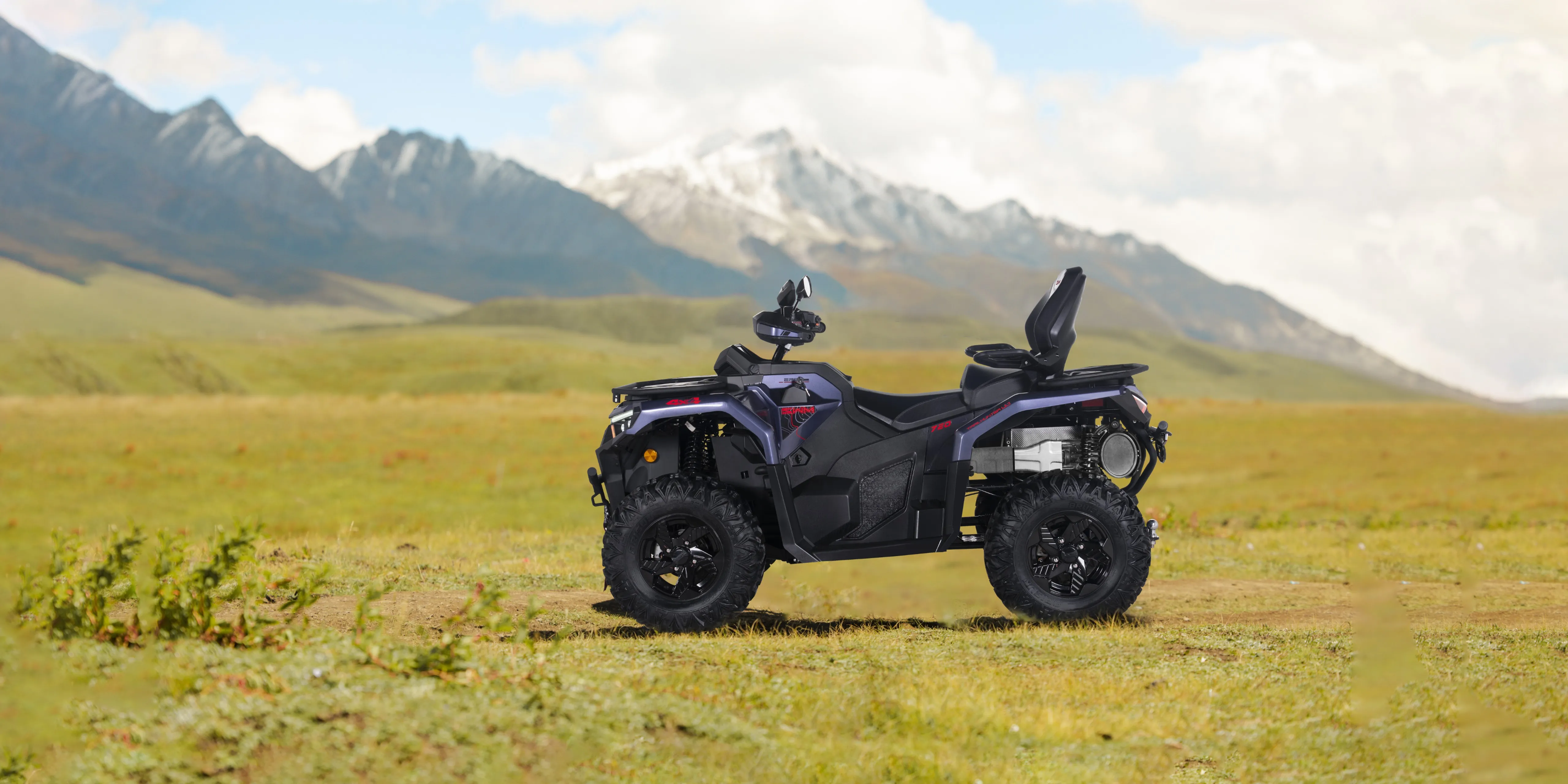
May: the mud season verdict. The wet months are the true test of any off-road machine, and this year’s muddy season delivered a verdict that spread quickly through rider forums. Machines finished rides that left bigger rivals winched out of bogs, and the low-end torque kept the front wheels digging where other designs spun. Reliability in the mud became the platform’s calling card, and the phrase “it just keeps going” appeared in review after review.
July: the tour operators arrive. The commercial turning point came mid-year, when rental and tour operators began standardising their fleets on the platform. The reasoning was purely economic: lower purchase price, lower fuel burn and machines that guests could master in minutes. For riders, the knock-on effect was huge, because suddenly the SWM Trailhunter was everywhere, and everyone wanted to try the machine they kept seeing on holiday.
September: the race results. Autumn brought the race calendar, and the 720 class results read like a confirmation of everything riders had been saying. Podiums in hill climbs, wins in cross-country and a string of fastest laps in the production classes proved that the platform was not just easy to live with; it was genuinely quick. The season’s defining statistic: machines in this class finished more events than any other class in the series.
November: the community. By the end of the year, the platform had something that no specification sheet can measure: a community. Riders organised meet-ups, shared setup advice and defended the machine in every comparison thread. The quad swm badge became shorthand for a particular attitude: capable without being complicated, strong without being heavy.
December: the verdict. Looking back, the rise of the 720 class was never about a single breakthrough. It was the accumulation of small wins: a dry river crossing here, a flawless season of rentals there, a first-place finish in September. Year one proved that the middleweight class is the smartest choice for most riders, balancing capability, running costs and fun in a way that no other segment matches. The class that started the year as a footnote finished it as the reference point for the whole segment, and if the momentum of the past twelve months is any guide, the next season will be even bigger.