Gmacvh Health & Fitness Alles, Was Sie Ein Individuum Realisiert Haben Sollten Vor Ihrem Erste Therapie

Alles, Was Sie Ein Individuum Realisiert Haben Sollten Vor Ihrem Erste Therapie


Botox, ein hochwirksames Medikament, das auf das Nervensystem wirkt, hat sich in den letzten Jahren weltweit zu einem der bekanntesten und am häufigsten verwendeten kosmetischen Behandlungen entwickelt. Botulinumtoxin, der aktive Bestandteil von Botox, wurde ursprünglich zur Behandlung von medizinischen Beschwerden wie Muskelspasmen verwendet. Heute ist Botox jedoch hauptsächlich als kosmetische Behandlung zur Reduzierung von Falten und zur Hautverjüngung bekannt. In diesem Artikel werden die verschiedenen Anwendungsmöglichkeiten von Lidstraffung , seine Vor- und Nachteile sowie der Einfluss auf die heutige Schönheitskultur untersucht.

Botox stammt aus dem Bakterium Clostridium botulinum, das den Wirkstoff Botulinumtoxin produziert. Bei der Injektion von Botox in die Haut wird das Toxin an die Nervenenden abgegeben und blockiert die Übertragung von Nervenimpulsen zu den Muskeln. Dies verhindert das Zusammenziehen der Muskeln und reduziert so die Bildung von Falten und feinen Linien. Besonders beliebt ist Botox bei der Behandlung von Falten im Gesicht, insbesondere der Stirn, um die Augenbrauen und um den Mund. In der Regel beginnt die Wirkung von Botox nach wenigen Tagen und hält, je nach Behandlung und Hauttyp, zwischen drei und sechs Monaten.

Neben der kosmetischen Anwendung wird Botox auch für eine Reihe von medizinischen Zwecken genutzt. Es hilft beispielsweise bei der Behandlung von chronischen Migräne, übermäßigem Schwitzen, Muskelspasmen und sogar Blasenstörungen. In diesen medizinischen Fällen kann Botox die betroffenen Muskeln und Nerven entspannen, was zu einer signifikanten Verbesserung der Lebensqualität führt. Die Vielseitigkeit von Botox macht es zu einem äußerst wertvollen medizinischen Werkzeug, das weit über kosmetische Eingriffe hinausgeht.

Trotz der zahlreichen positiven Aspekte und der Popularität von Botox sollten auch die damit verbundenen Risiken und Nebenwirkungen nicht ignoriert werden. Zu den häufigsten Nebenwirkungen gehören Rötungen, Schwellungen und Schmerzen an der Injektionsstelle. In seltenen Fällen kann es zu allergischen Reaktionen kommen oder zu unangenehmen Nebenwirkungen wie Kopfschmerzen oder vorübergehenden Muskelschwächen in benachbarten Bereichen. Eine falsche Injektionstechnik oder die Verwendung von zu viel Botox kann zu unnatürlichen Gesichtsausdrücken führen, was den ästhetischen Effekt beeinträchtigen kann.

In den letzten Jahren hat Botox nicht nur in der kosmetischen Chirurgie, sondern auch in der breiten Masse zunehmend an Bekanntheit gewonnen. Das Interesse an minimalinvasiven Eingriffen, die schnelle Ergebnisse bei geringen Ausfallzeiten versprechen, hat zu einem regelrechten Boom bei Botox-Anwendungen geführt. Immer mehr Menschen entscheiden sich für diese Art der Behandlung, um jugendlich und frisch zu wirken, ohne sich einer größeren Operation unterziehen zu müssen. Diese Entwicklung hat auch zu einer verstärkten Akzeptanz von Schönheitsbehandlungen geführt, die früher als exklusiv oder sogar tabu galten.

Abschließend lässt sich sagen, dass Botox heute weit mehr ist als nur ein Mittel zur Faltenbekämpfung. Es hat sich zu einer vielseitigen Therapieform entwickelt, die in der medizinischen sowie der ästhetischen Praxis Anwendung findet. Wie bei allen Behandlungen ist es jedoch entscheidend, sich der möglichen Risiken bewusst zu sein und die Injektionen nur von erfahrenen Fachleuten vornehmen zu lassen, um optimale und sichere Ergebnisse zu gewährleisten.

Leave a Reply

Your email address will not be published. Required fields are marked *

Related Post

What to know: ADHD prescription medication provider?What to know: ADHD prescription medication provider?

ADHD, or Attention Deficit Hyperactivity Disorder, affects millions of people worldwide. It can interfere with daily life, academic performance, and work productivity.

For many, prescription medication is a key part of managing ADHD symptoms effectively. If you are looking to Buy Adderall 30mg Online, understanding how to choose a safe and reliable ADHD prescription medication provider is essential.

This guide will provide everything you need to know about ADHD medications, how to find trusted providers, and how to ensure safety while purchasing online.

ADHD and Its Treatments

ADHD is a neurological condition characterized by symptoms such as inattention, hyperactivity, and impulsivity. These symptoms can vary widely between individuals. Some people may struggle mainly with focus and attention, while others may experience significant hyperactive behaviors.

Treatment for ADHD often involves a combination of behavioral therapy, lifestyle adjustments, and medication. Prescription medications are highly effective for many patients, helping improve concentration, organization, and impulse control. Among these medications, stimulants like Adderall are widely prescribed.

How ADHD Medications Work

ADHD medications primarily work by altering the levels of certain neurotransmitters in the brain, such as dopamine and norepinephrine. These chemicals play a key role in attention, motivation, and executive function.

Stimulant medications like Adderall increase dopamine and norepinephrine activity, which helps improve focus and reduce hyperactive behaviors. Non-stimulant medications, such as atomoxetine, work differently but can also be effective for managing symptoms.

Understanding how these medications work can help patients make informed decisions about their treatment and why it’s critical to obtain them from a licensed provider.

Why Choosing the Right Medication Provider Matters

The ADHD medication market has grown substantially, and many people now consider buying medications online for convenience. However, this comes with risks. Unverified sources may provide counterfeit or unsafe medications.

A legitimate provider ensures that the medications you receive are genuine, properly dosed, and legally compliant. They also require prescriptions, which is a critical safeguard for your health.

When looking to Buy Adderall 30mg Online, it’s important to prioritize safety over convenience. Working with licensed pharmacies or certified online providers ensures you receive authentic medication and appropriate medical guidance.

Risks of Unverified Providers

Purchasing ADHD medications from unverified sources can lead to several serious risks:

  • Counterfeit medications: Fake pills may contain harmful substances or incorrect dosages.

  • Legal issues: Buying prescription medication without a prescription can be illegal in many countries.

  • Health dangers: Incorrect use of stimulant medications can cause heart problems, anxiety, or dependency.

Working with a verified ADHD prescription medication provider minimizes these risks.

How to Identify a Licensed ADHD Medication Provider

Finding a licensed provider may seem complicated, but there are clear markers to look for.

Check Licensing and Credentials

A legitimate provider will always be licensed by relevant medical authorities. In the U.S., pharmacies must be licensed by the state’s Board of Pharmacy. If buying online, check that the website displays its license and registration information clearly.

Require a Prescription

Any trusted provider will require a valid prescription from a healthcare professional. If a website offers to sell medications like Adderall without a prescription, it is a red flag. Never compromise your health for convenience.

Verify Reviews and Reputation

Research the provider’s reputation online. Look for independent reviews and testimonials. Be wary of sites that have no external verification or only show positive reviews on their platform.

Secure Payment and Data Protection

Licensed online providers will use secure payment gateways and protect your personal health information. Check for HTTPS in the URL, privacy policies, and secure checkout processes.

Steps to Safely Buy ADHD Medications Online

If you are considering ordering medications online, follow these essential steps:

1. Consult a Healthcare Professional

Before taking any ADHD medication, speak to a doctor or psychiatrist. They can evaluate your symptoms, provide a proper diagnosis, and write a prescription. This step is critical for safe and effective treatment.

2. Choose a Licensed Online Pharmacy

Select a pharmacy that is licensed and requires prescriptions. Cross-check their credentials with official regulatory websites.

3. Submit Your Prescription

Provide your prescription according to the provider’s instructions. Some online pharmacies allow you to upload a photo of your prescription or request verification from your doctor directly.

4. Confirm Medication Authenticity

Ask the provider about the medication’s origin, batch number, and manufacturer. Reputable pharmacies are transparent about the source of their medications.

5. Monitor Your Health

Once you receive your medication, track how it affects your symptoms. Report any side effects or concerns to your healthcare provider immediately.

Popular ADHD Medications and Their Uses

Several prescription medications are commonly used to treat ADHD. Each has its own benefits and considerations.

Stimulants

Adderall (amphetamine salts): This medication is widely used for both children and adults. It increases dopamine and norepinephrine levels, improving focus and reducing hyperactive behaviors.

Ritalin (methylphenidate): Similar to Adderall, Ritalin is effective for many patients and is often used when Adderall is not suitable.

Vyvanse (lisdexamfetamine): A long-acting stimulant, Vyvanse offers steady symptom control throughout the day.

Non-Stimulants

Strattera (atomoxetine): A non-stimulant option that works by increasing norepinephrine in the brain. Often used for patients who cannot tolerate stimulants.

Guanfacine and Clonidine: Originally developed as blood pressure medications, these can help manage ADHD symptoms, particularly hyperactivity and impulsivity.

Understanding these options helps patients have informed discussions with their healthcare providers and select the medication that suits them best.

Dosage and Safety Considerations

ADHD medications must be taken exactly as prescribed. Overuse or incorrect dosing can lead to serious health risks.

Monitoring Side Effects

Common side effects include:

  • Insomnia

  • Loss of appetite

  • Anxiety or jitteriness

  • Increased heart rate

Severe side effects, though rare, require immediate medical attention. Always report any unusual symptoms to your healthcare provider.

Avoiding Abuse and Dependency

Stimulants have the potential for abuse. Never share your medication, and store it securely. Regular check-ins with your doctor can help prevent misuse.

Understanding Interactions

ADHD medications can interact with other prescription drugs, supplements, or alcohol. Discuss all current medications with your healthcare provider to avoid dangerous interactions.

Legal Considerations When Ordering Online

Laws vary depending on your country. In the U.S., stimulants are classified as Schedule II controlled substances. This means:

  • You must have a prescription to legally obtain them.

  • Online pharmacies must comply with federal and state regulations.

  • Shipping across borders may be illegal.

Failing to comply with these regulations can result in fines, seizure of medication, or legal consequences. Always prioritize licensed providers who operate within the law.

Telehealth Options for ADHD Prescriptions

Telehealth has revolutionized ADHD treatment. Many licensed providers now offer online consultations, which can lead to legal prescriptions.

Benefits of telehealth include:

  • Convenience: Avoid traveling to a clinic.

  • Privacy: Consult discreetly from home.

  • Continuity of care: Regular follow-ups can be scheduled online.

When using telehealth to Buy Adderall 30mg Online, ensure the platform is licensed and the provider is certified. Avoid platforms that do not require a thorough evaluation.

Tips for Managing ADHD Alongside Medication

Medication alone is not a cure for ADHD. Combining treatment with lifestyle strategies improves outcomes.

Organization and Planning

Use planners, calendars, and reminder apps to stay organized. Breaking tasks into smaller steps can make them more manageable.

Healthy Lifestyle

Adequate sleep, regular exercise, and a balanced diet can significantly impact ADHD symptoms.

Therapy and Support

Behavioral therapy, cognitive behavioral therapy (CBT), and support groups provide additional coping strategies. Combining therapy with medication often yields the best results.

Red Flags to Avoid in Online Medication Providers

Even licensed providers can vary in quality. Watch out for these red flags:

  • Offering prescription medications without a consultation.

  • Prices that are suspiciously low.

  • Lack of clear contact information or customer support.

  • No reviews or negative independent reviews.

If any of these signs are present, it’s safer to look elsewhere.

Conclusion

Managing ADHD effectively requires careful consideration, especially when prescription medications are involved. Choosing a licensed ADHD prescription medication provider is essential for safety, effectiveness, and legal compliance. Whether you are considering Buy Adderall 30mg Online or exploring other medications, always consult a healthcare professional, verify the provider’s credentials, and monitor your health throughout treatment.

By understanding ADHD, the medications available, and the safest ways to access them, patients can take control of their treatment journey. Combining medication with lifestyle changes, therapy, and ongoing medical supervision ensures the best possible outcomes. Your health and safety should always come first, even when convenience is tempting.

Ethical Considerations in Elderly CareEthical Considerations in Elderly Care

Elderly care is one of the most sensitive and important aspects of modern healthcare. As people age, their physical and cognitive abilities may decline, and they often require specialized support.

Facilities like sheth jeebun elderly assistance home provide a structured environment where seniors can receive medical, emotional, and social support.

However, providing care is not just about meeting physical needs; it also involves complex ethical considerations. Balancing respect, dignity, autonomy, and safety becomes a daily challenge for caregivers, families, and healthcare professionals.

This guide explores the ethical principles, challenges, and best practices in elderly care, ensuring that seniors receive compassionate and responsible support while maintaining their rights and dignity.

Ethics in Elderly Care

Ethics in elderly care involves determining what is morally right when providing services, support, or medical treatment to older adults. Caregivers and institutions face decisions daily that impact the well-being of seniors. Ethical care ensures that these decisions respect human dignity, promote fairness, and prioritize the best interests of the elderly.

At sheth jeebun elderly assistance home, ethical principles guide every interaction, from routine medical checkups to end-of-life care. Understanding these principles is crucial for anyone involved in eldercare.

The Importance of Ethical Decision-Making

Ethical decision-making in elderly care is critical because seniors are often vulnerable due to age-related conditions, cognitive decline, or social isolation. Poor ethical practices can lead to neglect, abuse, or loss of autonomy. On the other hand, ethical practices enhance trust, improve quality of life, and ensure that seniors feel valued and respected.

Key Ethical Principles in Elderly Care

Several core principles guide ethical elderly care. These principles help caregivers, families, and institutions make decisions that protect seniors while providing high-quality support.

Autonomy and Independence

Autonomy refers to the ability of seniors to make decisions about their own lives. Respecting autonomy means allowing older adults to make choices about their care, daily routines, and lifestyle, even if their decisions differ from what caregivers might prefer.

At facilities like sheth jeebun elderly assistance home, seniors are encouraged to participate in decisions about their care plans. This approach not only respects their independence but also promotes self-esteem and mental well-being.

Beneficence

Beneficence means acting in the best interest of the elderly. Caregivers must ensure that every action they take benefits the senior, whether it’s providing medical treatment, assisting with daily activities, or offering emotional support.

For example, a caregiver might encourage a senior to engage in light exercise or social activities to improve health and happiness, always ensuring that actions align with the individual's preferences and safety.

Non-Maleficence

Non-maleficence is the principle of "do no harm." Caregivers must avoid actions that could cause physical, emotional, or psychological harm. This principle is particularly important in elderly care because seniors are often fragile and more susceptible to injury or emotional distress.

Institutions like sheth jeebun elderly assistance home implement strict safety protocols, medication monitoring, and staff training to prevent harm and ensure the well-being of residents.

Justice and Fairness

Justice involves treating seniors fairly, without discrimination or bias. Every elderly individual deserves equal access to care and resources, regardless of gender, socioeconomic status, or cultural background.

Fair treatment also extends to how resources are allocated within care facilities. Ethical institutions ensure that all residents have access to medical care, nutritious meals, and recreational opportunities.

Dignity and Respect

Dignity and respect are fundamental in elderly care. Seniors should be treated as valued individuals, not just as patients or recipients of care. This includes using polite language, listening attentively, and respecting privacy during personal care activities.

Sheth jeebun elderly assistance home prioritizes dignity by creating a compassionate environment where seniors feel recognized and respected in every interaction.

Common Ethical Challenges in Elderly Care

Even with clear principles, elderly care often involves ethical dilemmas. Understanding these challenges can help caregivers and families make informed, compassionate decisions.

End-of-Life Decisions

End-of-life care is one of the most complex ethical areas in eldercare. Seniors or their families may need to make decisions about life-sustaining treatments, palliative care, or hospice services. Balancing the desire to prolong life with quality of life considerations requires careful discussion and ethical judgment.

Caregivers at sheth jeebun elderly assistance home work closely with families and medical professionals to respect the wishes of residents while ensuring safe and humane care.

Cognitive Decline and Consent

Many seniors experience cognitive decline due to conditions like dementia or Alzheimer’s disease. This can affect their ability to provide informed consent for medical procedures or personal care.

In these cases, caregivers must navigate consent carefully, often consulting legal guardians, family members, or ethical committees to ensure decisions reflect the best interests of the senior.

Privacy and Confidentiality

Respecting privacy and maintaining confidentiality are critical ethical responsibilities. Seniors have the right to control access to their personal information, medical records, and daily routines.

Ethical care facilities, including sheth jeebun elderly assistance home, have policies in place to safeguard sensitive information and protect residents’ personal boundaries.

Balancing Family Involvement and Individual Rights

Families often want to be deeply involved in decision-making, but caregivers must balance family input with the senior’s own preferences. Conflicts can arise when family wishes differ from the desires of the elderly resident.

Ethical caregivers facilitate open communication, mediate disputes, and ensure that the senior’s voice remains central in all care decisions.

Resource Allocation

Limited resources in eldercare facilities can pose ethical challenges. Caregivers and administrators must decide how to allocate time, staff, and medical resources fairly among residents.

Sheth jeebun elderly assistance home addresses this by using transparent policies and prioritizing the needs of each resident while maintaining fairness and equity.

Ethical Practices in Daily Elderly Care

Implementing ethical practices in everyday routines is essential for maintaining a safe and respectful environment.

Transparent Communication

Clear, honest communication with seniors and their families builds trust. Explaining care plans, medical procedures, and daily activities ensures that residents feel informed and empowered.

Personalized Care

Every senior has unique needs, preferences, and life experiences. Ethical care requires personalized attention, adapting routines, meals, and activities to suit each individual while respecting cultural and personal values.

Encouraging Social Interaction

Isolation is a major concern for seniors. Ethical care promotes social interaction through group activities, games, and communal meals. Social engagement supports mental health, emotional well-being, and overall quality of life.

Staff Training and Accountability

Ethical eldercare depends on well-trained staff who understand ethical principles and are accountable for their actions. Regular training in medical ethics, patient rights, and communication skills ensures that caregivers provide competent and compassionate care.

Advocacy for Seniors

Ethical care includes advocating for the rights and needs of seniors. Caregivers must be vigilant against neglect, abuse, or discrimination, ensuring that residents are protected and supported.

Legal and Ethical Frameworks

Elderly care is guided not only by moral principles but also by legal standards. Understanding these frameworks is crucial for caregivers and institutions.

Patient Rights

Seniors have legal rights to healthcare, privacy, autonomy, and protection from abuse. Ethical caregivers respect these rights and ensure they are upheld in all interactions.

Regulations and Licensing

Eldercare facilities must comply with government regulations, licensing requirements, and safety standards. Adhering to these rules is both a legal obligation and an ethical responsibility.

Professional Ethical Codes

Organizations such as nursing associations and medical boards provide ethical codes for professionals working with seniors. These codes guide behavior, decision-making, and professional conduct in daily eldercare.

The Role of Technology in Ethical Elderly Care

Technology can enhance ethical care by supporting safety, communication, and health monitoring.

Telemedicine

Telemedicine allows seniors to access medical consultations without leaving their homes. This ensures timely care while respecting mobility limitations and personal comfort.

Monitoring Devices

Wearable devices and home sensors help caregivers monitor health metrics such as heart rate, movement, and sleep patterns. Ethical use of these devices requires informed consent and respect for privacy.

Digital Communication

Video calls and messaging platforms help seniors maintain social connections. Ethical care ensures that technology supplements human interaction rather than replacing it, promoting emotional well-being.

Cultural Sensitivity in Elderly Care

Ethical elderly care also involves cultural sensitivity. Seniors come from diverse backgrounds, and care must respect cultural norms, dietary preferences, religious practices, and communication styles.

Caregivers at sheth jeebun elderly assistance home are trained to recognize and accommodate cultural differences, ensuring that all residents feel understood, respected, and included.

Conclusion

Ethical considerations in elderly care are multifaceted and require constant attention, empathy, and judgment. Respecting autonomy, promoting beneficence, preventing harm, ensuring fairness, and upholding dignity are central to high-quality eldercare. Facilities like sheth jeebun elderly assistance home exemplify ethical care by combining professional standards, compassionate practices, and personalized attention.

As the elderly population grows, society must prioritize ethical frameworks in caregiving. By fostering understanding, promoting education, and implementing clear ethical guidelines, caregivers can provide a safe, respectful, and empowering environment for seniors. Ethical elderly care is not just a professional duty—it is a moral commitment to protect and honor the lives of older adults.

Through thoughtful decision-making, transparent communication, and respect for individual rights, caregivers can ensure that seniors live with dignity, happiness, and security. Every ethical choice strengthens trust, enriches lives, and reinforces the principle that elderly care is not merely a service but a human responsibility.


 

The Tranquil Rejuvenation Experience Discovering                       and                      The Tranquil Rejuvenation Experience Discovering                       and                      

In today’s fast-paced world, finding the time for self-care and relaxation can be challenging. However, with the rise of mobile massage services like 오산출장마사지 and 평택출장마사지, achieving tranquility has never been more accessible. These services bring the rejuvenating power of massage therapy directly to your door, transforming your home into a personal spa retreat.

Why Choose 출장마사지?

출장마사지, or mobile massage services, offer a unique blend of convenience and luxury. They cater to those who prefer the comfort of their 수원출장마사지 own space over a traditional massage parlor. Choosing 오산출장마사지 or 평택출장마사지 means saying goodbye to travel stress and hello to relaxation at its finest.

The Tailored Experience of 오산출장마사지

Specializing in customized treatments, 오산출장마사지 ensures that each session is tailored to your personal needs. Massage therapists skilled in various techniques, from traditional Korean styles to modern innovations, are ready to deliver an unforgettable experience. Whether you’re dealing with stress, muscle 평택출장마사지 tension, or simply seeking relaxation, 오산출장마사지 has something to offer.

The Holistic Approach of 평택출장마사지

Emphasizing a holistic wellness approach, 평택출장마사지 integrates mind and body relaxation techniques that promote overall well-being. These services are perfect for those looking to achieve a deep state of relaxation and mental clarity. The well-trained therapists of 평택출장마사지 provide an array of treatments designed to restore balance and energy to your life.

The Benefits of In-Home Massage Services

One significant advantage of opting for mobile massage services like 오산출장마사지 and 평택출장마사지 is the ability to create an environment tailored to your comfort. You control the ambiance, from lighting to music, ensuring 오산출장마사지 the utmost relaxation. Furthermore, the time saved on travel can be dedicated entirely to your well-being.

In conclusion, 오산출장마사지 and 평택출장마사지 provide more than just a massage; they offer an immersive experience in comfort and relaxation. As lifestyle demands increase, taking advantage of these convenient and personalized services can greatly enhance your quality of life and well-being.

Blog

Cardiology: A Comprehensive Guide to Heart Health and Advancements in TreatmentCardiology: A Comprehensive Guide to Heart Health and Advancements in Treatment

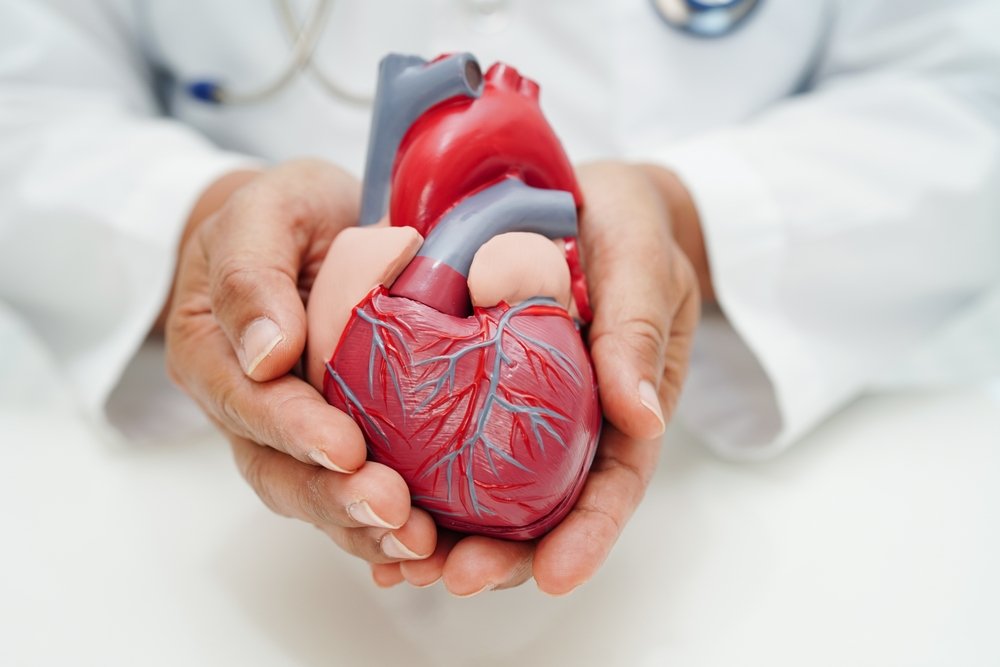
Cardiology is the branch of medicine that focuses on the diagnosis, treatment, and prevention of heart-related conditions. The heart is often referred to as the "engine" of the body, as it is responsible for circulating blood throughout the body, delivering oxygen and nutrients to organs, tissues, and cells. Given the vital role it plays, it’s no wonder that cardiovascular diseases remain a leading cause of death worldwide. As the science of cardiology evolves, treatments and technologies have advanced, offering new hope to those at risk or suffering from heart disease. In this article, we’ll explore the essential aspects of cardiology, common heart diseases, and the latest breakthroughs in heart disease prevention and treatment.

The Role of the Heart in the Body

The heart is a muscular organ roughly the size of a fist and is located in the chest, slightly to the left. It consists of four chambers: two atria (upper chambers) and two ventricles (lower chambers). The heart's primary function is to pump blood throughout the circulatory system. Oxygenated blood is pumped from the left ventricle to the body, while deoxygenated blood returns to the right side of the heart and is sent to the lungs for oxygenation.

The heart beats around 70 times per minute at rest, circulating blood through the arteries, veins, and capillaries, ensuring that all organs and tissues receive adequate oxygen and nutrients. Given this constant activity, the heart requires careful monitoring and protection to prevent the onset of diseases that can compromise its function.

Common Heart Diseases

Heart disease encompasses a variety of conditions that affect the heart's structure, function, or blood vessels. The most prevalent heart diseases are as follows:

1. Coronary Artery Disease (CAD)

Coronary artery disease is the result of a buildup of plaque (fatty deposits) inside the coronary arteries that supply blood to the heart muscle. Over time, plaque restricts blood flow and can lead to angina (chest pain) or even a heart attack if the arteries become completely blocked. CAD is often associated with risk factors such as high cholesterol, hypertension, smoking, and an unhealthy diet. Treatment can involve medications, lifestyle changes, or surgical interventions like coronary artery bypass surgery (CABG) or stent placement.

2. Heart Failure

Heart failure, also known as congestive heart failure, occurs when the heart is unable to pump blood effectively enough to meet the body’s needs. This doesn’t mean the heart has stopped working, but rather that its ability to pump blood is reduced. Heart failure may be caused by various factors, including coronary artery disease, high blood pressure, and valve disease. Symptoms include fatigue, shortness of breath, and fluid retention. Management typically involves medications, lifestyle modifications, and in some cases, advanced treatments like heart transplants or mechanical heart pumps.

3. Arrhythmias

An arrhythmia is a disorder in the heart's rhythm. The heart can beat too fast (tachycardia), too slow (bradycardia), or in an irregular pattern. These irregularities may cause dizziness, fainting, or even sudden cardiac arrest. Some common arrhythmias include atrial fibrillation (AFib) and ventricular tachycardia. Treatment for arrhythmias can include medications, pacemakers, or in severe cases, electrical cardioversion or catheter ablation to correct abnormal rhythms.

4. Valvular Heart Disease

The heart contains four valves that ensure blood flows in one direction through the heart's chambers. Valvular heart disease refers to conditions in which these valves become damaged or diseased, leading to inefficient blood flow. Common examples include aortic stenosis (narrowing of the aortic valve) and mitral regurgitation (leaking of the mitral valve). Treatment options range from medications to surgeries such as valve repair or replacement.

5. Hypertension (High Blood Pressure)

Hypertension is one of the most common and dangerous conditions affecting the heart. It occurs when the force of blood against the walls of the arteries is too high, placing a strain on the heart and blood vessels. Hypertension often has no obvious symptoms but is a major risk factor for other heart diseases, including heart attack and stroke. Managing high blood pressure typically involves medications, lifestyle changes, and monitoring.

6. Congenital Heart Defects

Congenital heart defects are structural problems in the heart that are present from birth. These can range from minor conditions, such as small holes between heart chambers, to more severe abnormalities that require immediate intervention. Some congenital defects are diagnosed in childhood, while others may not be identified until adulthood. Early intervention and regular monitoring can lead to positive outcomes.

The Role of Cardiologists in Heart Health

Cardiologists are medical specialists who diagnose and treat heart conditions. They possess a deep understanding of cardiovascular diseases and work with patients to manage or prevent these conditions. Cardiologists often work in collaboration with other healthcare professionals to develop comprehensive treatment plans that include both medical interventions and lifestyle changes. Key functions of cardiologists include:

  • Diagnosis: Cardiologists use advanced diagnostic tools to detect heart conditions, including electrocardiograms (ECGs), echocardiograms, stress tests, and blood tests. These help identify conditions such as arrhythmias, heart failure, and CAD.

  • Treatment: Based on the diagnosis, cardiologists develop personalized treatment plans that may include medication, lifestyle changes, or surgery. Cardiologists may prescribe antihypertensive drugs, blood thinners, or statins, depending on the condition. In some cases, they may recommend surgical procedures like angioplasty or valve repair.

  • Prevention: Cardiologists emphasize the importance of preventing heart disease by identifying risk factors early, such as high cholesterol, high blood pressure, and smoking. They provide advice on diet, exercise, and stress management to reduce the risk of cardiovascular issues.

  • Education and Monitoring: Cardiologists play a vital role in educating patients about their heart health and the importance of regular check-ups, as well as monitoring progress over time. They help patients manage chronic conditions like hypertension and diabetes, which are closely linked to heart disease.

Advancements in 心臟病發

Recent technological advancements have greatly improved the ability to diagnose and treat heart diseases, leading to more effective outcomes for patients. Some of the most groundbreaking innovations include:

1. Minimally Invasive Procedures

Many heart procedures that once required open-heart surgery can now be performed using minimally invasive techniques. For example, angioplasty, which involves inserting a balloon to widen a blocked artery, is now commonly performed using catheters inserted through small incisions. These procedures generally have shorter recovery times and lower risks of complications compared to traditional surgery.

2. Wearable Technology

The rise of wearable devices such as fitness trackers and smartwatches has allowed individuals to monitor their heart rate, detect abnormal rhythms, and even alert them to potential health problems. Many modern devices also track other factors like blood oxygen levels and sleep patterns, offering patients and healthcare providers valuable real-time data to manage cardiovascular health.

3. Artificial Intelligence (AI) in Cardiology

Artificial intelligence has begun to revolutionize cardiology. AI algorithms are being used to analyze vast amounts of patient data, including medical imaging, to identify early signs of heart disease. These technologies improve diagnostic accuracy and help cardiologists make more informed decisions.

4. Gene Therapy and Stem Cells

Researchers are exploring gene therapy and stem cell treatments to regenerate damaged heart tissue and correct genetic mutations that contribute to heart disease. Although still in the experimental stages, these therapies hold the potential to transform the treatment of heart conditions, especially in cases of severe heart failure.

Preventing Heart Disease: Key Lifestyle Changes

While medical treatments and technological innovations have made significant progress, the best way to protect your heart is through prevention. Making healthy lifestyle choices can drastically reduce your risk of developing cardiovascular diseases. Here are some key preventive measures:

1. Exercise Regularly

Physical activity strengthens the heart, reduces stress, and helps control weight, blood pressure, and cholesterol. Cardiologists recommend at least 150 minutes of moderate-intensity exercise per week.

2. Eat a Heart-Healthy Diet

A balanced diet is crucial for heart health. Consuming a diet rich in fruits, vegetables, whole grains, lean proteins, and healthy fats can help lower cholesterol and blood pressure. Reducing salt intake, avoiding trans fats, and eating more fiber can also contribute to better cardiovascular health.

3. Quit Smoking

Smoking is one of the leading causes of cardiovascular disease, as it damages blood vessels and reduces the amount of oxygen available to the heart. Quitting smoking is one of the most effective ways to reduce the risk of heart disease.

4. Manage Stress

Chronic stress can negatively affect the heart by contributing to high blood pressure and unhealthy behaviors like overeating or smoking. Incorporating stress-reducing activities such as yoga, meditation, or deep breathing exercises can benefit both mental and cardiovascular health.

5. Regular Health Check-ups

Regular visits to a cardiologist or primary care provider for routine screenings can help identify risk factors like high blood pressure, high cholesterol, and diabetes. Early detection allows for timely intervention and better management of heart disease risks.

Conclusion

Cardiology is a critical field of medicine that plays a pivotal role in diagnosing, treating, and preventing heart disease. As cardiovascular diseases continue to be a major health concern worldwide, advancements in medical technology, preventive care, and treatment options offer hope for better outcomes. By adopting healthy lifestyle habits and seeking regular medical care, individuals can significantly reduce their risk of heart disease and maintain a healthy heart throughout their lives.

The Sweetness And Cancel Gift Of Beloved: A Unaltered For Health, Health, And The EnvironmentThe Sweetness And Cancel Gift Of Beloved: A Unaltered For Health, Health, And The Environment

Honey, often referred to as nature’s prosperous ambrosia, has been used by human race for thousands of years, august not only for its distinguishable sweet but also for its numerous health benefits. This all-natural subject matter, produced by bees from the ambrosia of flowers, has a long history in various cultures, from antediluvian Egyptian medicative practices to its aim in Bodoni-day kitchens and natural wellness remedies. royal honey is much more than just a sweetener. Its rich authorship and wide-ranging benefits have made it a staple in both preparation and curative practices around the earth. From its creation by the untiring bees to its harvesting and uses in routine life, dear stiff an priceless gift from nature.

The work on of dearest production begins with bees collection nectar from flowers. These tiny insects visit numberless blossoms to gather the sweetened liquid state, which they store in their hives. The nectar is then transformed into honey through a work on of accelerator action and vaporisation, wherein the nectar's irrigate content is rock-bottom to form the thick, golden subject matter we recognise as dearest. The final exam product contains a mixing of sugars, vitamins, minerals, amino group acids, and antioxidants, making it a powerful summation to any diet. The type of dear produced depends on the flowers the bees travel to, and as a leave, dearest can vary in distort, flavor, and texture. From the light, patterned taste of trefoil beloved to the dark fertility of buckwheat honey, the variety show is vast, offering a unusual go through with each type.

Honey’s health benefits are vast and well-documented. It is crowded with antioxidants, which help to struggle free radicals in the body and tighten the risk of degenerative diseases. Raw, unrefined love, in particular, contains a high tear down of these good compounds. Honey also has antibacterial drug properties, making it an effective relieve for injure alterative and comfy sore throats. The use of beloved for treating Burns and cuts has been practiced for centuries, and modern font search continues to aver its strength in promoting quicker curative. Furthermore, beloved is a natural vitality supporter due to its combination of glucose and fruit sugar, which are unreflected speedily by the body. This makes dear an nonesuch pre- or post-workout snack for athletes seeking an immediate source of fuel.

Beyond its medicative and organic process properties, dear also plays a crucial role in supporting environmental sustainability. The work of love product is inseparable from the action of pollination, a essential biological science work carried out by bees. By pollinating plants, bees assure the increase of the fruits, vegetables, and flowers that form the founding of ecosystems and human agriculture. The worsen in bee populations due to factors such as pesticide use, home ground loss, and climate change is a growth come to. Protecting bees and supporting sustainable apiculture practices is requisite not only for the continued product of love but also for the saving of biodiversity and food surety.

Honey’s versatility extends far beyond its traditional use as a sweetener in tea or drink. It is often incorporated into do-it-yourself skincare products, such as face masks and body gown, due to its moisturizing and alterative properties. In the kitchen, loved one serves as a natural sweetener in hot, cookery, and even in beverages, adding a rich, cancel season that pure saccharify cannot replicate. It can also be conjunct with various herbs and spices to make comfortable syrups, or used as an fixings in salad dressings, marinades, and glazes.

In termination, dear is a extraordinary cancel substance that offers more than just sweet. It provides a wealthiness of wellness benefits, supports situation sustainability, and has infinite preparation and medicative uses. Whether consumed for its biological process value, applied as a relieve, or simply enjoyed as a regale, loved one stiff a unaltered that connects us to the natural worldly concern and the wonders it offers. With its rich history and promising futurity, honey continues to be one of the most wanted gifts of nature.