
Gmacvh Health & Fitness Cardiology: A Comprehensive Guide to Heart Health and Advancements in Treatment

Cardiology: A Comprehensive Guide to Heart Health and Advancements in Treatment

Cardiology is the branch of medicine that focuses on the diagnosis, treatment, and prevention of heart-related conditions. The heart is often referred to as the "engine" of the body, as it is responsible for circulating blood throughout the body, delivering oxygen and nutrients to organs, tissues, and cells. Given the vital role it plays, it’s no wonder that cardiovascular diseases remain a leading cause of death worldwide. As the science of cardiology evolves, treatments and technologies have advanced, offering new hope to those at risk or suffering from heart disease. In this article, we’ll explore the essential aspects of cardiology, common heart diseases, and the latest breakthroughs in heart disease prevention and treatment.

The Role of the Heart in the Body

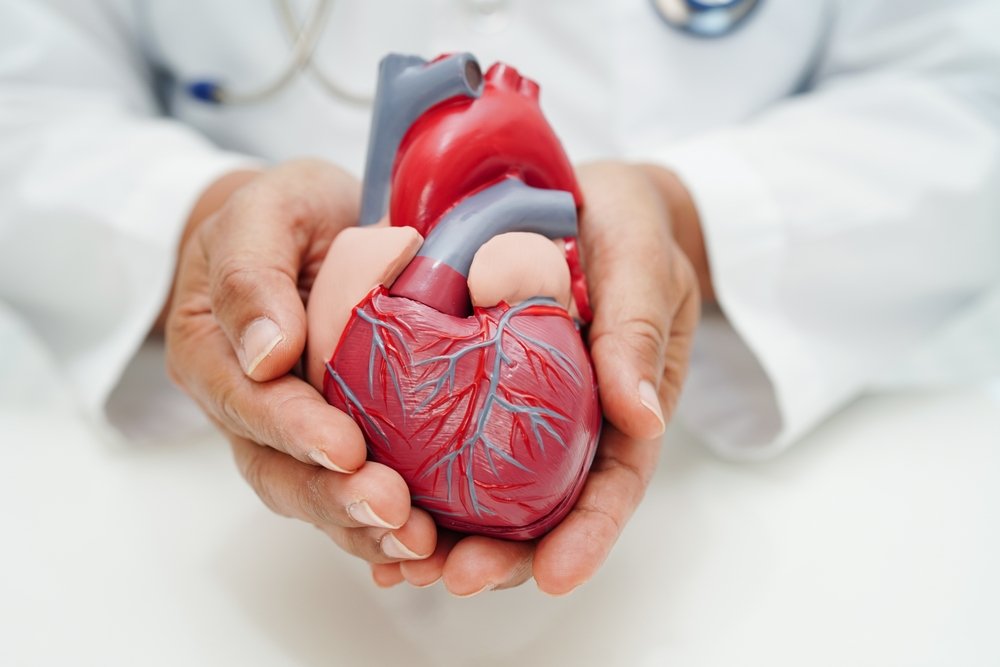
The heart is a muscular organ roughly the size of a fist and is located in the chest, slightly to the left. It consists of four chambers: two atria (upper chambers) and two ventricles (lower chambers). The heart's primary function is to pump blood throughout the circulatory system. Oxygenated blood is pumped from the left ventricle to the body, while deoxygenated blood returns to the right side of the heart and is sent to the lungs for oxygenation.

The heart beats around 70 times per minute at rest, circulating blood through the arteries, veins, and capillaries, ensuring that all organs and tissues receive adequate oxygen and nutrients. Given this constant activity, the heart requires careful monitoring and protection to prevent the onset of diseases that can compromise its function.

Common Heart Diseases

Heart disease encompasses a variety of conditions that affect the heart's structure, function, or blood vessels. The most prevalent heart diseases are as follows:

1. Coronary Artery Disease (CAD)

Coronary artery disease is the result of a buildup of plaque (fatty deposits) inside the coronary arteries that supply blood to the heart muscle. Over time, plaque restricts blood flow and can lead to angina (chest pain) or even a heart attack if the arteries become completely blocked. CAD is often associated with risk factors such as high cholesterol, hypertension, smoking, and an unhealthy diet. Treatment can involve medications, lifestyle changes, or surgical interventions like coronary artery bypass surgery (CABG) or stent placement.

2. Heart Failure

Heart failure, also known as congestive heart failure, occurs when the heart is unable to pump blood effectively enough to meet the body’s needs. This doesn’t mean the heart has stopped working, but rather that its ability to pump blood is reduced. Heart failure may be caused by various factors, including coronary artery disease, high blood pressure, and valve disease. Symptoms include fatigue, shortness of breath, and fluid retention. Management typically involves medications, lifestyle modifications, and in some cases, advanced treatments like heart transplants or mechanical heart pumps.

3. Arrhythmias

An arrhythmia is a disorder in the heart's rhythm. The heart can beat too fast (tachycardia), too slow (bradycardia), or in an irregular pattern. These irregularities may cause dizziness, fainting, or even sudden cardiac arrest. Some common arrhythmias include atrial fibrillation (AFib) and ventricular tachycardia. Treatment for arrhythmias can include medications, pacemakers, or in severe cases, electrical cardioversion or catheter ablation to correct abnormal rhythms.

4. Valvular Heart Disease

The heart contains four valves that ensure blood flows in one direction through the heart's chambers. Valvular heart disease refers to conditions in which these valves become damaged or diseased, leading to inefficient blood flow. Common examples include aortic stenosis (narrowing of the aortic valve) and mitral regurgitation (leaking of the mitral valve). Treatment options range from medications to surgeries such as valve repair or replacement.

5. Hypertension (High Blood Pressure)

Hypertension is one of the most common and dangerous conditions affecting the heart. It occurs when the force of blood against the walls of the arteries is too high, placing a strain on the heart and blood vessels. Hypertension often has no obvious symptoms but is a major risk factor for other heart diseases, including heart attack and stroke. Managing high blood pressure typically involves medications, lifestyle changes, and monitoring.

6. Congenital Heart Defects

Congenital heart defects are structural problems in the heart that are present from birth. These can range from minor conditions, such as small holes between heart chambers, to more severe abnormalities that require immediate intervention. Some congenital defects are diagnosed in childhood, while others may not be identified until adulthood. Early intervention and regular monitoring can lead to positive outcomes.

The Role of Cardiologists in Heart Health

Cardiologists are medical specialists who diagnose and treat heart conditions. They possess a deep understanding of cardiovascular diseases and work with patients to manage or prevent these conditions. Cardiologists often work in collaboration with other healthcare professionals to develop comprehensive treatment plans that include both medical interventions and lifestyle changes. Key functions of cardiologists include:

  • Diagnosis: Cardiologists use advanced diagnostic tools to detect heart conditions, including electrocardiograms (ECGs), echocardiograms, stress tests, and blood tests. These help identify conditions such as arrhythmias, heart failure, and CAD.

  • Treatment: Based on the diagnosis, cardiologists develop personalized treatment plans that may include medication, lifestyle changes, or surgery. Cardiologists may prescribe antihypertensive drugs, blood thinners, or statins, depending on the condition. In some cases, they may recommend surgical procedures like angioplasty or valve repair.

  • Prevention: Cardiologists emphasize the importance of preventing heart disease by identifying risk factors early, such as high cholesterol, high blood pressure, and smoking. They provide advice on diet, exercise, and stress management to reduce the risk of cardiovascular issues.

  • Education and Monitoring: Cardiologists play a vital role in educating patients about their heart health and the importance of regular check-ups, as well as monitoring progress over time. They help patients manage chronic conditions like hypertension and diabetes, which are closely linked to heart disease.

Advancements in 心臟病發

Recent technological advancements have greatly improved the ability to diagnose and treat heart diseases, leading to more effective outcomes for patients. Some of the most groundbreaking innovations include:

1. Minimally Invasive Procedures

Many heart procedures that once required open-heart surgery can now be performed using minimally invasive techniques. For example, angioplasty, which involves inserting a balloon to widen a blocked artery, is now commonly performed using catheters inserted through small incisions. These procedures generally have shorter recovery times and lower risks of complications compared to traditional surgery.

2. Wearable Technology

The rise of wearable devices such as fitness trackers and smartwatches has allowed individuals to monitor their heart rate, detect abnormal rhythms, and even alert them to potential health problems. Many modern devices also track other factors like blood oxygen levels and sleep patterns, offering patients and healthcare providers valuable real-time data to manage cardiovascular health.

3. Artificial Intelligence (AI) in Cardiology

Artificial intelligence has begun to revolutionize cardiology. AI algorithms are being used to analyze vast amounts of patient data, including medical imaging, to identify early signs of heart disease. These technologies improve diagnostic accuracy and help cardiologists make more informed decisions.

4. Gene Therapy and Stem Cells

Researchers are exploring gene therapy and stem cell treatments to regenerate damaged heart tissue and correct genetic mutations that contribute to heart disease. Although still in the experimental stages, these therapies hold the potential to transform the treatment of heart conditions, especially in cases of severe heart failure.

Preventing Heart Disease: Key Lifestyle Changes

While medical treatments and technological innovations have made significant progress, the best way to protect your heart is through prevention. Making healthy lifestyle choices can drastically reduce your risk of developing cardiovascular diseases. Here are some key preventive measures:

1. Exercise Regularly

Physical activity strengthens the heart, reduces stress, and helps control weight, blood pressure, and cholesterol. Cardiologists recommend at least 150 minutes of moderate-intensity exercise per week.

2. Eat a Heart-Healthy Diet

A balanced diet is crucial for heart health. Consuming a diet rich in fruits, vegetables, whole grains, lean proteins, and healthy fats can help lower cholesterol and blood pressure. Reducing salt intake, avoiding trans fats, and eating more fiber can also contribute to better cardiovascular health.

3. Quit Smoking

Smoking is one of the leading causes of cardiovascular disease, as it damages blood vessels and reduces the amount of oxygen available to the heart. Quitting smoking is one of the most effective ways to reduce the risk of heart disease.

4. Manage Stress

Chronic stress can negatively affect the heart by contributing to high blood pressure and unhealthy behaviors like overeating or smoking. Incorporating stress-reducing activities such as yoga, meditation, or deep breathing exercises can benefit both mental and cardiovascular health.

5. Regular Health Check-ups

Regular visits to a cardiologist or primary care provider for routine screenings can help identify risk factors like high blood pressure, high cholesterol, and diabetes. Early detection allows for timely intervention and better management of heart disease risks.

Conclusion

Cardiology is a critical field of medicine that plays a pivotal role in diagnosing, treating, and preventing heart disease. As cardiovascular diseases continue to be a major health concern worldwide, advancements in medical technology, preventive care, and treatment options offer hope for better outcomes. By adopting healthy lifestyle habits and seeking regular medical care, individuals can significantly reduce their risk of heart disease and maintain a healthy heart throughout their lives.


Leave a Reply

Your email address will not be published. Required fields are marked *

Related Post

Body Edifice Supplements The Key To Achieving Your Seaworthiness GoalsBody Edifice Supplements The Key To Achieving Your Seaworthiness Goals

When it comes to achieving those coveted gains and reaching your seaworthiness goals, there’s no denying the grandness of a well-rounded diet and consistent training subroutine. However, for many bodybuilders and seaworthiness enthusiasts, anavar have become an essential part of their daily procedure. These products take to heighten muscle increment, step-up potency, and meliorate overall muscular performance. But are they really necessary? In this article, we’ll dive into the worldly concern of anaerobic exercise supplements and research their potential benefits and drawbacks.

The first affair to understand about anaerobic exercise supplements is that they are not a magic root for musculus increase. No append alone can supplant a specific diet and uniform preparation. Instead, supplements should be viewed as tools that can complement your existing subroutine and provide your body with the necessary nutrients to subscribe musculus growth and retrieval.

Protein is often hailed as the king of musclebuilding supplements. It is an requirement macronutrient that plays a material role in musculus resort and increment. Whey protein, in particular, is a nonclassical selection among bodybuilders due to its high tone and fast absorption rate. It is typically consumed post-workout to cater the muscles with a promptly and handy germ of protein. However, whole food sources such as meat, fish, eggs, and dairy farm products can also cater an adequate total of protein and should be the origination of a bodybuilder’s diet.

Creatine is another affix pop among bodybuilders. It is a course occurring compound in the body that helps make energy during high-intensity exercise. By supplementing with creatin, athletes can increase their muscle stores of this deepen, leading to cleared powerful potency and survival. However, it is noteworthy to note that creatin is not a one-size-fits-all affix. Some people may respond better to creatin than others, and it may not have a substantial impact on public presentation for everyone.

Branched-chain amino group acids(BCAAs) are a group of three necessity amino group acids- leucine, isoleucine, and valine- that have been shown to aid in muscle retrieval and growth. They are particularly useful for those who train fasted or have long periods between meals. BCAAs can help prevent muscle breakdown and provide your body with the necessary amino group acids to support musculus resort and increment. However, as with creatin, the effectiveness of BCAAs is extremely personal. Some populate may go through noticeable benefits, while others may not see a considerable remainder in their performance.

While protein, creatine, and BCAAs are the most commonly used musclebuilding supplements, there are many others on the market. However, it is necessary to approach these products with admonish and do your research before incorporating them into your routine. Many supplements make immoderate claims and contain possibly vesicatory ingredients. It is always best to consult with a health care professional person or sports dietitian before adding any new supplement to your procedure.

It is also worth noting that supplements are not regulated by the FDA, substance that there is no warrant of their safety or effectiveness. To insure the quality and purity of a affix, look for third-party certifications from organizations such as NSF or Informed-Sport. These certifications indicate that the product has been proven for timbre and prohibited substances.

In summation to considering the potentiality benefits and drawbacks of musclebuilding supplements, it is requirement to have philosophical doctrine expectations. It takes homogeneous training, proper victual, and time to see advance in the gym. Supplements may provide a cold-shoulder edge, but they can’t supplant hard work and inscription.

In termination, bodybuilding supplements can be a valuable summation to a muscle builder’s armoury when used right. They can help provide the body with the necessary nutrients to support musculus increase and retrieval, but they are not a substitute for a proper diet and grooming routine. It is material to go about supplements with admonish and do proper explore before incorporating them into your fitness travel. Remember, the key to achieving your goals lies in , inscription, and hard work. Supplements can attend to in this journey, but in the end, it is up to you to make it happen.

The Cure And Amateur Benefits Of MarijuanaThe Cure And Amateur Benefits Of Marijuana

Marijuana, also known as cannabis, has been used for medicative, Negro spiritual and nonprofessional purposes for thousands of old age. Despite being a arguable subject, marihuana has gained widespread realization and toleration in Holocene old age for its potency curative properties. With more and more states legalizing both medical examination and amateur use, the treatment around ganja has intensified. In this article, we will take a look at the benefits of marihuana, both medically and recreationally.

One of the main reasons why marijuana is gaining popularity is its curative benefits. The set contains compounds known as cannabinoids, the most well-known being tetrahydrocannabinol(THC) and cannabidiol(CBD). These compounds interact with the body’s endocannabinoid system of rules, which is responsible for for regulating functions such as mood, appetence, and pain sentience.

Cannabis has been shown to be effective in treating a variety show of health conditions, including degenerative pain, epilepsy, anxiety, and depression. In fact, studies have ground that medical examination ganja can be a safer and more effective treatment for chronic pain than opioids. CBD, in particular, has been hailed for its anti-inflammatory properties, making it a popular choice for those looking for a cancel option to pharmaceutic pain relievers.

Moreover, marijuana has also been shown to have neuroprotective properties, making it a potency treatment for various medical specialty disorders, such as denary sclerosis and Parkinson’s . It has also been base to better log Z’s, reduce seizures in patients, and relieve symptoms of PTSD.

Aside from its medicative benefits, ganja can also provide amateur pleasure. Many populate use ganja to unlax and unwind after a long day, as it can stimulate feelings of euphoria and tranquillity. Additionally, marihuana can raise sensory experiences, making activities such as hearing to music or watching a picture show more pleasant.

Cannabis has also been shown to promote creative thinking and upgrade social interaction. It can make populate feel more open-minded and facilitate deeper conversations. This is why ganja is often used in mixer settings, such as parties or gatherings, to heighten the overall undergo.

Furthermore, marijuana has been base to have relatively low risks of dependency and harm compared to other unpaid substances such as intoxicant and tobacco plant. In fact, many experts believe that legalizing marijuana can actually tighten the harms associated with substance use, as it can make a regulated commercialise and lessen the likelihood of consumption of dodgy or polluted products.

Despite the many benefits of cannabis, there are still some potential risks and side personal effects to consider. These admit temporary worker impairment, retention and cognitive issues, and potency metabolic process problems when smoking. It is profound to use rv rental el paso responsibly and in temperance, just like with any other substance.

In ending, ganja has shown to have both curative and recreational benefits. With its increasing legalisation and recognition, more explore is being conducted to expose its full potential. Whether used for medical examination purposes or unpaid use, it is vital to prepare oneself about the laws and proper utilisation of marijuana. With responsible use, ganja can provide individuals with a natural and holistic set about to up their overall well-being.

Marijuana How Engineering Science Is Transforming The ManufactureMarijuana How Engineering Science Is Transforming The Manufacture

The ganja industry has seen explosive increment over the past tenner, evolving from moderate, topical anaestheti trading operations to a sophisticated, multi-billion-dollar commercialise. Alongside this increment, engineering has begun reshaping every prospect of the see from and take stock direction to gross revenue, rescue, and customer engagement. For consumers and businesses likewise, sympathy how technology is transforming the marihuana industry reveals just how original and moral force this commercialize has become.

Tech-Driven Cultivation

Cannabis has always been push-intensive, requiring careful tending to get down, irrigate, nutrients, and situation conditions. Modern applied science, however, is revolutionizing the way growers operate. Automated systems now monitor temperature, humidness, and soil conditions in real time, ensuring plants grow in optimum conditions. Sensors and IoT(Internet of Things) allow cultivators to pass over everything from soil moisture to nutrient levels, reducing run off and accretive yields.

Even lighting applied science has advanced. LED grow lights that mime natural sunshine allow for vitality-efficient interior cultivation while providing the right get down spectrum for each growth represent. Some posit-of-the-art facilities now use AI-powered systems to foretell set increase patterns, place early signs of disease, and optimise harvest timing au fond taking shot out of the equation.

Digital Dispensary Management

Dispensaries themselves are also benefiting from technology. Traditional tape-keeping and inventory management have given way to whole number platforms that streamline trading operations. Point-of-sale(POS) systems studied specifically for marijuana help dispensaries track product inventory, wangle compliance with submit regulations, and analyse sales trends.

Compliance is particularly portentous in an industry regulated at the submit tear down. Digital tracking systems insure that dispensaries exert proper records for every product, including seed-to-sale tracking. This not only keeps businesses de jure amenable but also builds trust with consumers by guaranteeing transparency and safety.

E-Commerce and Delivery

The rise of online order and saving services has metamorphic how consumers access marijuana. Mobile apps and e-commerce platforms now allow customers to surf menus, check product handiness, and place orders for in-store pickup arm or home saving. Some apps even offer personal recommendations based on purchase story, terpene profiles, or desired effects, creating a more made-to-order shopping undergo.

Technology-driven deliverance solutions have also distended availableness, particularly for medical ganja patients. GPS trailing, procure publicity, and age-verification protocols see to it that products reach customers safely, efficiently, and legally.

AI and Data-Driven Insights

Artificial word(AI) and big data are more and more shaping the cannabis industry. Dispensaries can psychoanalyse demeanour, traverse popular products, and estimate demand, allowing them to optimize inventory and marketing strategies. AI algorithms can even propose new try blends supported on preferences and foretold personal effects, push the boundaries of production design.

For growers, AI tools psychoanalyze genic data, increment patterns, and situation variables to create optimized cultivation strategies. The result is high-quality products, greater , and low resourcefulness waste.

Consumer Education and Engagement

Technology also transforms how consumers instruct about and interact with ganja. QR codes on publicity can link to lab reports, terpene profiles, and dosing guides, giving buyers easy access to information that enhances refuge and knowledgeable use. Virtual consultations with budtenders and learning apps allow users to research strains, cannabinoids, and potential effects without leaving their homes.

Social media platforms and online communities consumers to partake experiences and reviews, creating a more knowing and wired ganja community. Technology has soured what was once a niche commercialize into a intellectual, user-friendly ecosystem.

Looking Ahea

d

The marihuana manufacture is still in its subject field infancy. Emerging innovations like blockchain for provide transparentness, increased world(AR) experiences in dispensaries, and AI-driven personalized health recommendations are on the purview. As states preserve to spread out legalization, technology will be key to ensuring refuge, submission, and a superior consumer undergo.

Final Thoughts

Technology is transforming the marijuana industry at every level. From smart systems and sophisticated take stock management to AI-driven insights and personalized e-commerce experiences, these innovations are redefining what it substance to buy, sell, and squander cannabis. For consumers, engineering enhances convenience, safety, and knowledge. For businesses, it streamlines trading operations, improves compliance, and drives increment.

The time to come of marihuana is undeniably digital, and dispensaries that hug technology are not just living they re thriving. Whether you re a first-time emptor or a seasoned partizan, the tech-driven zen leaf undergo is more competent, pleasurable, and personalized than ever before

Suddivisione Tra Le Diverse Distinzioni Tra Le CBD Così Come THC Nei Principali Articoli A Base Di Cannabis Utilizzati Da NoviziSuddivisione Tra Le Diverse Distinzioni Tra Le CBD Così Come THC Nei Principali Articoli A Base Di Cannabis Utilizzati Da Novizi


Il cannabis, una pianta originaria dell’Asia centrale, è stata utilizzata per migliaia di anni per scopi medicinali, religiosi e ricreativi. Sebbene la sua storia sia ricca e complessa, il dibattito moderno sul cannabis si concentra principalmente su due aspetti: i suoi potenziali benefici terapeutici e i rischi associati al suo consumo. Con l’evoluzione della legislazione e una crescente ricerca scientifica, il cannabis sta emergendo come un tema di grande interesse e controversia a livello globale, specialmente in Italia, dove la legalizzazione è un argomento caldo.

Il principio attivo principale del cannabis, il tetraidrocannabinolo (THC), è responsabile degli effetti psicoattivi che alterano la percezione e l’umore. Tuttavia, la pianta contiene anche il cannabidiolo (CBD), che non ha effetti psicoattivi, ma è stato studiato per le sue potenzialità terapeutiche. Il CBD è stato utilizzato in trattamenti per una varietà di disturbi, tra cui epilessia, ansia e dolori cronici. Il fatto che il cannabis contenga sia THC che CBD fa sì che le sue applicazioni mediche siano molto varie, e alcuni paesi, come il Canada e diverse nazioni europee, hanno già implementato politiche di legalizzazione per uso medico.

In Italia, l’uso di cannabis per scopi terapeutici è stato legalizzato nel 2016, ma l’uso ricreativo rimane vietato. Nonostante ciò, il mercato delle cosiddette “cannabis light”, una varietà di torta marijuana con livelli di THC inferiori allo 0,2%, è cresciuto notevolmente negli ultimi anni. Questo tipo di cannabis non provoca effetti psicoattivi significativi e viene utilizzato principalmente per scopi rilassanti e per trattamenti alternativi, come l’alleviamento di dolori muscolari e l’insonnia. Tuttavia, anche l’uso di cannabis light è oggetto di discussioni, con alcuni esperti che avvertono dei possibili rischi di dipendenza e degli effetti collaterali a lungo termine.

Un aspetto cruciale del dibattito sulla cannabis riguarda la salute pubblica. Mentre alcuni studi suggeriscono che l’uso controllato di cannabis possa avere benefici terapeutici, altri mettono in guardia contro gli effetti dannosi sulla salute mentale e fisica. L’abuso di cannabis, in particolare nei giovani, è stato collegato a problemi psicologici come la psicosi e l’ansia, oltre a compromettere la memoria e le funzioni cognitive. In Italia, l’uso di cannabis tra i giovani è aumentato negli ultimi anni, e molte scuole e università hanno avviato programmi di educazione per sensibilizzare i ragazzi sui rischi associati al consumo.

La legalizzazione della cannabis rimane un tema controverso anche per quanto riguarda la sicurezza e l’ordine pubblico. Da un lato, alcuni sostengono che la legalizzazione potrebbe ridurre il mercato nero e migliorare il controllo sulla qualità del prodotto, ma dall’altro, c’è chi teme che potrebbe aumentare il consumo, soprattutto tra i minori, e generare problemi sociali ed economici. La regolamentazione del cannabis, quindi, richiede un delicato equilibrio tra i benefici potenziali e i rischi, oltre a un forte sistema di controllo e educazione.

In conclusione, il cannabis è una pianta dalle molteplici sfaccettature. Sebbene possa offrire vantaggi terapeutici per alcuni, è necessario affrontare con cautela i suoi rischi. La ricerca scientifica e le politiche pubbliche in evoluzione saranno decisive per determinare come il cannabis possa essere utilizzato in modo sicuro ed efficace. Fino ad allora, il dibattito continuerà a dividersi tra coloro che vedono nel cannabis una risorsa e coloro che temono le sue implicazioni per la salute e la società.

Supporting Elderly Independence: The Key to Tailored Care ServiceSupporting Elderly Independence: The Key to Tailored Care Service

As our loved ones age, one of the most important considerations is maintaining their independence while ensuring their safety and well-being. Finding the right balance between offering care and respecting autonomy is essential for elderly individuals, and at ElderlyDB.hk, we understand the complexity of this challenge. Our platform is dedicated to providing families in Hong Kong with the tools they need to find elderly 長者安老 solutions that enhance both comfort and independence.

Whether your loved one requires full-time residential care or part-time assistance at home, ElderlyDB.hk offers a range of services designed to meet varying needs. From nursing homes to home care services, we provide detailed information on the most trusted and reputable elderly care providers across Hong Kong. Families can easily search for facilities and services based on specific criteria such as location, price range, medical care requirements, and more.

One of the core principles of elderly care is promoting independence as much as possible, and we believe in empowering seniors to live their lives to the fullest. Our platform includes options for assisted living, where elderly individuals can retain a sense of autonomy while receiving support with daily activities such as meal preparation, medication management, and personal care. We also offer resources for those seeking specialized care, such as dementia or Alzheimer’s care, which requires a personalized approach that prioritizes cognitive health and emotional well-being.

ElderlyDB.hk goes beyond providing a directory of services – we offer families guidance on financial options, including government subsidies and insurance plans, to ensure that the chosen care solution is not only effective but also affordable. We are committed to helping families navigate the complex landscape of elderly care and find solutions that prioritize their loved ones’ health, comfort, and independence.

Through thoughtful, tailored care solutions, we help seniors maintain their dignity and enjoy their later years with confidence. At ElderlyDB.hk, we are proud to support families in making informed, compassionate choices that provide the best possible care for their elderly relatives.