Gmacvh Health & Fitness The Cure And Amateur Benefits Of Marijuana

The Cure And Amateur Benefits Of Marijuana

Marijuana, also known as cannabis, has been used for medicative, Negro spiritual and nonprofessional purposes for thousands of old age. Despite being a arguable subject, marihuana has gained widespread realization and toleration in Holocene old age for its potency curative properties. With more and more states legalizing both medical examination and amateur use, the treatment around ganja has intensified. In this article, we will take a look at the benefits of marihuana, both medically and recreationally.

One of the main reasons why marijuana is gaining popularity is its curative benefits. The set contains compounds known as cannabinoids, the most well-known being tetrahydrocannabinol(THC) and cannabidiol(CBD). These compounds interact with the body’s endocannabinoid system of rules, which is responsible for for regulating functions such as mood, appetence, and pain sentience.

Cannabis has been shown to be effective in treating a variety show of health conditions, including degenerative pain, epilepsy, anxiety, and depression. In fact, studies have ground that medical examination ganja can be a safer and more effective treatment for chronic pain than opioids. CBD, in particular, has been hailed for its anti-inflammatory properties, making it a popular choice for those looking for a cancel option to pharmaceutic pain relievers.

Moreover, marijuana has also been shown to have neuroprotective properties, making it a potency treatment for various medical specialty disorders, such as denary sclerosis and Parkinson’s . It has also been base to better log Z’s, reduce seizures in patients, and relieve symptoms of PTSD.

Aside from its medicative benefits, ganja can also provide amateur pleasure. Many populate use ganja to unlax and unwind after a long day, as it can stimulate feelings of euphoria and tranquillity. Additionally, marihuana can raise sensory experiences, making activities such as hearing to music or watching a picture show more pleasant.

Cannabis has also been shown to promote creative thinking and upgrade social interaction. It can make populate feel more open-minded and facilitate deeper conversations. This is why ganja is often used in mixer settings, such as parties or gatherings, to heighten the overall undergo.

Furthermore, marijuana has been base to have relatively low risks of dependency and harm compared to other unpaid substances such as intoxicant and tobacco plant. In fact, many experts believe that legalizing marijuana can actually tighten the harms associated with substance use, as it can make a regulated commercialise and lessen the likelihood of consumption of dodgy or polluted products.

Despite the many benefits of cannabis, there are still some potential risks and side personal effects to consider. These admit temporary worker impairment, retention and cognitive issues, and potency metabolic process problems when smoking. It is profound to use rv rental el paso responsibly and in temperance, just like with any other substance.

In ending, ganja has shown to have both curative and recreational benefits. With its increasing legalisation and recognition, more explore is being conducted to expose its full potential. Whether used for medical examination purposes or unpaid use, it is vital to prepare oneself about the laws and proper utilisation of marijuana. With responsible use, ganja can provide individuals with a natural and holistic set about to up their overall well-being.

Leave a Reply

Your email address will not be published. Required fields are marked *

Related Post

10 Tips For Sound And Beautiful Hair10 Tips For Sound And Beautiful Hair

The of our hair can greatly affect our visual aspect and overall trust. With specific care and tending, we can all attain sound and pleasant hair that we can be proud of. Here are 10 tips to help you maintain and ameliorate the health of your locks.

1. Eat a equal and nutritious diet: Just like our skin and body, our hair also requires necessity nutrients to grow and stay healthy. Make sure to include proteins, sound fats, vitamins, and minerals in your diet to elevat hair growth and effectiveness.

2. Protect your face framing highlights Las Vegas from heat: Exposing your hair to high heat from styling tools such as blow dryers, straighteners, and curling irons can cause and break. Use heat protectant products before styling to downplay the and always allow your hair to air dry when possible.

3. Avoid harsh chemicals: Chemical treatments, such as hair dye, perms, and relaxers, can damage your hair and dry it out. If you must use these products, make sure to observe the instruction manual cautiously and give your hair a break up in between treatments.

4. Use a good tone shampoo and : Invest in a good timber shampoo and conditioner that suits your hair type. Look for products that are free from sulfates and parabens, as these can strip your hair of its natural oils and cause .

5. Don’t over-wash your hair: Washing your hair too often can strip it of its cancel oils and cause waterlessness and breakage. Aim to wash your hair every 2-3 days and use dry shampoo between washes to keep your hair looking recently.

6. Use a wide-tooth comb or brush: When brushing or combing your hair, use a wide-tooth comb or a sweep premeditated for your hair type. This will help to downplay breaking and while detangling your hair mildly.

7. Keep your scalp clean and sound: A sound scalp is the institution for sound hair. Regularly wash your scalp to transfer any buildup of dirt, oil, and production balance. This will also keep any scalp issues such as or rubor.

8. Protect your hair from the sun: Just like our skin, our hair can also be damaged by the sun’s ultraviolet light rays. Wear a hat or use hair products with SPF when disbursement prolonged periods in the sun.

9. Get fixture trims: To prevent separate ends and keep your hair looking sound, get fixture trims every 6-8 weeks. This will also help to get rid of any discredited or dry ends and kick upstairs hair increment.

10. Use natural remedies: There are many natural ingredients that can help better the wellness of your hair, such as Cocos nucifera oil, avocado tree, and aloe vera. Incorporate these into your hair care procedure to nourish and tone your locks.

By following these tips, you can reach sound and pleasant hair that will make you feel sure-footed and bright. Remember to be patient role and homogeneous with your hair care subroutine, as it may take some time to see results. With proper care and attention, your hair will thank you by looking its best every day.

Mastering the Revenue Cycle: Why Internal Medicine Practices Need Expert Billing SolutionsMastering the Revenue Cycle: Why Internal Medicine Practices Need Expert Billing Solutions

Different Types of Doctors & Their Roles Explained

The Increasing Complexity of Adult Healthcare Administration

Internal medicine is often described as the backbone of the adult healthcare system. Internists serve as the primary line of defense for patients, acting as diagnosticians, chronic care managers, and wellness advocates. However, the administrative burden placed on these physicians has grown exponentially in recent years. Between navigating value-based care models, keeping up with evolving coding guidelines, and managing patient expectations, the financial health of a practice can easily be compromised. To maintain profitability and focus on patient care, forward-thinking practices are increasingly turning to specialized Internal Medicine Medical Billing Services to streamline their revenue cycle. MandM Claims Care understands that for an internal medicine practice to thrive, its billing processes must be as precise and effective as the clinical care provided.

The revenue cycle is the financial heartbeat of any medical facility. It encompasses everything from the initial appointment scheduling and insurance verification to the final payment of a balance. For internal medicine, this cycle is fraught with potential pitfalls due to the sheer variety of conditions treated. Unlike specialized fields that may rely on a small set of procedure codes, internal medicine requires a mastery of a vast array of diagnostic and treatment codes. When billing processes are inefficient, practices face high denial rates, delayed payments, and significant revenue leakage.

The Unique Challenges of Internal Medicine Billing

Internal medicine presents a unique set of billing challenges that generic billing solutions often fail to address. The scope of practice is broad, covering everything from acute respiratory infections to the management of complex, multi-system chronic diseases like diabetes, hypertension, and heart disease.

1. Evaluation and Management (E/M) Complexity

The bread and butter of internal medicine billing is the Evaluation and Management (E/M) code. In recent years, the Centers for Medicare & Medicaid Services (CMS) significantly overhauled how E/M services are documented and coded, shifting the focus to medical decision-making (MDM) and total time spent. While these changes were intended to simplify billing, they have created confusion for many providers. Incorrectly leveling a visit—either upcoding (billing for a higher level than supported) or downcoding (billing lower to avoid audits)—can have disastrous financial consequences. Upcoding invites audits and fines, while downcoding results in thousands of dollars in lost legitimate revenue annually.

2. Diagnosis Coding and Comorbidities

Internal medicine patients often present with multiple co-existing conditions. Accurate billing requires the precise application of ICD-10 codes that capture the severity of the patient's health status. The specificity required is intense; a generic code for "diabetes" is rarely sufficient. Coders must specify type, control status, and associated complications. Failure to capture these comorbidities accurately doesn't just affect immediate reimbursement; it impacts the practice’s risk adjustment scores, which are critical for value-based reimbursement models.

3. Preventive vs. Diagnostic Services

A common friction point in internal medicine is the distinction between a preventive wellness visit and a diagnostic office visit. It is not uncommon for a patient to schedule an annual physical but also request treatment for a specific ailment during the same appointment. Knowing how to use Modifier 25 correctly to bill for both services—when appropriate—is a skill that requires deep regulatory knowledge. Inexperienced billers often write off the second service, leaving money on the table.

The Strategic Advantage of Outsourcing RCM

For many independent practices and medical groups, the decision to outsource billing to a company like MandM Claims Care is a strategic move toward financial stability. Managing an in-house billing department is costly and resource-intensive. It requires hiring, training, providing benefits, and managing software licenses. Furthermore, if a key biller resigns, the practice’s cash flow can come to a grinding halt.

Outsourcing offers a scalable, reliable solution. Here is how professional billing intervention transforms a practice:

Expert Denial Management

The national average for claim denials hovers between 5% and 10%, but optimized practices can drive this number much lower. Denials often occur due to simple errors: incorrect patient demographics, missing information, or lack of prior authorization. A professional billing team doesn't just submit claims; they "scrub" them first to ensure accuracy. If a claim is denied, they have a dedicated team to investigate, correct, and resubmit it promptly. This aggressive follow-up is often missing in overworked in-house teams.

Unlocking Revenue from Chronic Care Management (CCM)

Internal medicine practices are uniquely positioned to benefit from Chronic Care Management (CCM) and Remote Patient Monitoring (RPM) codes. These programs reimburse providers for the non-face-to-face time spent coordinating care for patients with two or more chronic conditions. Despite the revenue potential, many practices do not bill for CCM because the documentation requirements are perceived as too burdensome. A specialized billing partner can help implement the necessary workflows to capture this recurring revenue stream compliantly.

Enhanced Compliance and Security

Healthcare regulations are in a constant state of flux. From HIPAA privacy rules to the Merit-based Incentive Payment System (MIPS), keeping up with compliance is a full-time job. Professional billing companies invest heavily in continuous education and secure technology infrastructure. They ensure that patient data is protected and that the practice remains compliant with federal and state billing regulations, mitigating the risk of costly audits.

Technology: The Engine of Efficient Billing

In the modern healthcare landscape, technology is the differentiator between a struggling practice and a profitable one. MandM Claims Care utilizes state-of-the-art practice management software and clearinghouse integrations to provide real-time visibility into financial performance.

Through advanced analytics and reporting, practice owners can see exactly where their money is. They can track Key Performance Indicators (KPIs) such as:

  • Days in Accounts Receivable (A/R): How long does it take to get paid?
  • Net Collection Rate: What percentage of allowable reimbursement is actually collected?
  • Denial Rate by Payer: Which insurance companies are causing the most problems?

Data-driven insights allow physicians to make informed business decisions. For example, if a specific payer consistently underpays or denies claims for specific procedures, the practice can use that data to renegotiate contracts or adjust their workflows.

Improving the Patient Financial Experience

It is important to remember that medical billing is also a patient service function. As high-deductible health plans become the norm, patients are responsible for a larger portion of their medical bills. Confusing statements, surprise bills, and aggressive collection tactics can damage the patient-provider relationship.

A professional billing service acts as an extension of the practice’s front office. They provide clear, easy-to-understand statements and offer professional support for patient billing inquiries. When patients understand their financial responsibility and are treated with respect during the billing process, they are more likely to pay their bills on time and remain loyal to the practice.

Conclusion: Partnering for Future Growth

The landscape of internal medicine is shifting. As the industry moves further away from fee-for-service and toward value-based care, the accuracy of data and the efficiency of the revenue cycle will become the primary drivers of success. Physicians can no longer afford to treat billing as an afterthought or an administrative chore. It is a complex business function that demands professional attention.

By partnering with MandM Claims Care, internal medicine practitioners can reclaim their time and focus on what they do best: caring for patients. The peace of mind that comes from knowing claims are being handled by experts is invaluable. For practices looking to audit their current financial health or seeking a new partner to revolutionize their revenue cycle, it is essential to research and compare the options available. Identifying and selecting one of the Top Medical Billing Companies is the first step toward securing a prosperous financial future for your medical practice.

Cardiology: A Comprehensive Guide to Heart Health and Advancements in TreatmentCardiology: A Comprehensive Guide to Heart Health and Advancements in Treatment

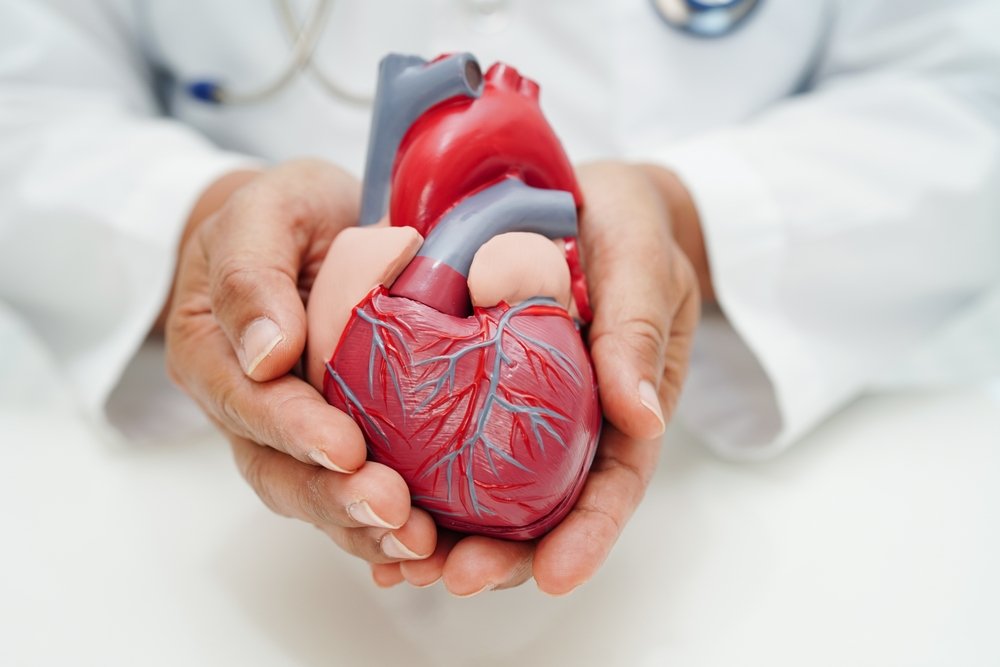
Cardiology is the branch of medicine that focuses on the diagnosis, treatment, and prevention of heart-related conditions. The heart is often referred to as the "engine" of the body, as it is responsible for circulating blood throughout the body, delivering oxygen and nutrients to organs, tissues, and cells. Given the vital role it plays, it’s no wonder that cardiovascular diseases remain a leading cause of death worldwide. As the science of cardiology evolves, treatments and technologies have advanced, offering new hope to those at risk or suffering from heart disease. In this article, we’ll explore the essential aspects of cardiology, common heart diseases, and the latest breakthroughs in heart disease prevention and treatment.

The Role of the Heart in the Body

The heart is a muscular organ roughly the size of a fist and is located in the chest, slightly to the left. It consists of four chambers: two atria (upper chambers) and two ventricles (lower chambers). The heart's primary function is to pump blood throughout the circulatory system. Oxygenated blood is pumped from the left ventricle to the body, while deoxygenated blood returns to the right side of the heart and is sent to the lungs for oxygenation.

The heart beats around 70 times per minute at rest, circulating blood through the arteries, veins, and capillaries, ensuring that all organs and tissues receive adequate oxygen and nutrients. Given this constant activity, the heart requires careful monitoring and protection to prevent the onset of diseases that can compromise its function.

Common Heart Diseases

Heart disease encompasses a variety of conditions that affect the heart's structure, function, or blood vessels. The most prevalent heart diseases are as follows:

1. Coronary Artery Disease (CAD)

Coronary artery disease is the result of a buildup of plaque (fatty deposits) inside the coronary arteries that supply blood to the heart muscle. Over time, plaque restricts blood flow and can lead to angina (chest pain) or even a heart attack if the arteries become completely blocked. CAD is often associated with risk factors such as high cholesterol, hypertension, smoking, and an unhealthy diet. Treatment can involve medications, lifestyle changes, or surgical interventions like coronary artery bypass surgery (CABG) or stent placement.

2. Heart Failure

Heart failure, also known as congestive heart failure, occurs when the heart is unable to pump blood effectively enough to meet the body’s needs. This doesn’t mean the heart has stopped working, but rather that its ability to pump blood is reduced. Heart failure may be caused by various factors, including coronary artery disease, high blood pressure, and valve disease. Symptoms include fatigue, shortness of breath, and fluid retention. Management typically involves medications, lifestyle modifications, and in some cases, advanced treatments like heart transplants or mechanical heart pumps.

3. Arrhythmias

An arrhythmia is a disorder in the heart's rhythm. The heart can beat too fast (tachycardia), too slow (bradycardia), or in an irregular pattern. These irregularities may cause dizziness, fainting, or even sudden cardiac arrest. Some common arrhythmias include atrial fibrillation (AFib) and ventricular tachycardia. Treatment for arrhythmias can include medications, pacemakers, or in severe cases, electrical cardioversion or catheter ablation to correct abnormal rhythms.

4. Valvular Heart Disease

The heart contains four valves that ensure blood flows in one direction through the heart's chambers. Valvular heart disease refers to conditions in which these valves become damaged or diseased, leading to inefficient blood flow. Common examples include aortic stenosis (narrowing of the aortic valve) and mitral regurgitation (leaking of the mitral valve). Treatment options range from medications to surgeries such as valve repair or replacement.

5. Hypertension (High Blood Pressure)

Hypertension is one of the most common and dangerous conditions affecting the heart. It occurs when the force of blood against the walls of the arteries is too high, placing a strain on the heart and blood vessels. Hypertension often has no obvious symptoms but is a major risk factor for other heart diseases, including heart attack and stroke. Managing high blood pressure typically involves medications, lifestyle changes, and monitoring.

6. Congenital Heart Defects

Congenital heart defects are structural problems in the heart that are present from birth. These can range from minor conditions, such as small holes between heart chambers, to more severe abnormalities that require immediate intervention. Some congenital defects are diagnosed in childhood, while others may not be identified until adulthood. Early intervention and regular monitoring can lead to positive outcomes.

The Role of Cardiologists in Heart Health

Cardiologists are medical specialists who diagnose and treat heart conditions. They possess a deep understanding of cardiovascular diseases and work with patients to manage or prevent these conditions. Cardiologists often work in collaboration with other healthcare professionals to develop comprehensive treatment plans that include both medical interventions and lifestyle changes. Key functions of cardiologists include:

  • Diagnosis: Cardiologists use advanced diagnostic tools to detect heart conditions, including electrocardiograms (ECGs), echocardiograms, stress tests, and blood tests. These help identify conditions such as arrhythmias, heart failure, and CAD.

  • Treatment: Based on the diagnosis, cardiologists develop personalized treatment plans that may include medication, lifestyle changes, or surgery. Cardiologists may prescribe antihypertensive drugs, blood thinners, or statins, depending on the condition. In some cases, they may recommend surgical procedures like angioplasty or valve repair.

  • Prevention: Cardiologists emphasize the importance of preventing heart disease by identifying risk factors early, such as high cholesterol, high blood pressure, and smoking. They provide advice on diet, exercise, and stress management to reduce the risk of cardiovascular issues.

  • Education and Monitoring: Cardiologists play a vital role in educating patients about their heart health and the importance of regular check-ups, as well as monitoring progress over time. They help patients manage chronic conditions like hypertension and diabetes, which are closely linked to heart disease.

Advancements in 心臟病發

Recent technological advancements have greatly improved the ability to diagnose and treat heart diseases, leading to more effective outcomes for patients. Some of the most groundbreaking innovations include:

1. Minimally Invasive Procedures

Many heart procedures that once required open-heart surgery can now be performed using minimally invasive techniques. For example, angioplasty, which involves inserting a balloon to widen a blocked artery, is now commonly performed using catheters inserted through small incisions. These procedures generally have shorter recovery times and lower risks of complications compared to traditional surgery.

2. Wearable Technology

The rise of wearable devices such as fitness trackers and smartwatches has allowed individuals to monitor their heart rate, detect abnormal rhythms, and even alert them to potential health problems. Many modern devices also track other factors like blood oxygen levels and sleep patterns, offering patients and healthcare providers valuable real-time data to manage cardiovascular health.

3. Artificial Intelligence (AI) in Cardiology

Artificial intelligence has begun to revolutionize cardiology. AI algorithms are being used to analyze vast amounts of patient data, including medical imaging, to identify early signs of heart disease. These technologies improve diagnostic accuracy and help cardiologists make more informed decisions.

4. Gene Therapy and Stem Cells

Researchers are exploring gene therapy and stem cell treatments to regenerate damaged heart tissue and correct genetic mutations that contribute to heart disease. Although still in the experimental stages, these therapies hold the potential to transform the treatment of heart conditions, especially in cases of severe heart failure.

Preventing Heart Disease: Key Lifestyle Changes

While medical treatments and technological innovations have made significant progress, the best way to protect your heart is through prevention. Making healthy lifestyle choices can drastically reduce your risk of developing cardiovascular diseases. Here are some key preventive measures:

1. Exercise Regularly

Physical activity strengthens the heart, reduces stress, and helps control weight, blood pressure, and cholesterol. Cardiologists recommend at least 150 minutes of moderate-intensity exercise per week.

2. Eat a Heart-Healthy Diet

A balanced diet is crucial for heart health. Consuming a diet rich in fruits, vegetables, whole grains, lean proteins, and healthy fats can help lower cholesterol and blood pressure. Reducing salt intake, avoiding trans fats, and eating more fiber can also contribute to better cardiovascular health.

3. Quit Smoking

Smoking is one of the leading causes of cardiovascular disease, as it damages blood vessels and reduces the amount of oxygen available to the heart. Quitting smoking is one of the most effective ways to reduce the risk of heart disease.

4. Manage Stress

Chronic stress can negatively affect the heart by contributing to high blood pressure and unhealthy behaviors like overeating or smoking. Incorporating stress-reducing activities such as yoga, meditation, or deep breathing exercises can benefit both mental and cardiovascular health.

5. Regular Health Check-ups

Regular visits to a cardiologist or primary care provider for routine screenings can help identify risk factors like high blood pressure, high cholesterol, and diabetes. Early detection allows for timely intervention and better management of heart disease risks.

Conclusion

Cardiology is a critical field of medicine that plays a pivotal role in diagnosing, treating, and preventing heart disease. As cardiovascular diseases continue to be a major health concern worldwide, advancements in medical technology, preventive care, and treatment options offer hope for better outcomes. By adopting healthy lifestyle habits and seeking regular medical care, individuals can significantly reduce their risk of heart disease and maintain a healthy heart throughout their lives.


The Sweetness And Cancel Gift Of Beloved: A Unaltered For Health, Health, And The EnvironmentThe Sweetness And Cancel Gift Of Beloved: A Unaltered For Health, Health, And The Environment

Honey, often referred to as nature’s prosperous ambrosia, has been used by human race for thousands of years, august not only for its distinguishable sweet but also for its numerous health benefits. This all-natural subject matter, produced by bees from the ambrosia of flowers, has a long history in various cultures, from antediluvian Egyptian medicative practices to its aim in Bodoni-day kitchens and natural wellness remedies. royal honey is much more than just a sweetener. Its rich authorship and wide-ranging benefits have made it a staple in both preparation and curative practices around the earth. From its creation by the untiring bees to its harvesting and uses in routine life, dear stiff an priceless gift from nature.

The work on of dearest production begins with bees collection nectar from flowers. These tiny insects visit numberless blossoms to gather the sweetened liquid state, which they store in their hives. The nectar is then transformed into honey through a work on of accelerator action and vaporisation, wherein the nectar's irrigate content is rock-bottom to form the thick, golden subject matter we recognise as dearest. The final exam product contains a mixing of sugars, vitamins, minerals, amino group acids, and antioxidants, making it a powerful summation to any diet. The type of dear produced depends on the flowers the bees travel to, and as a leave, dearest can vary in distort, flavor, and texture. From the light, patterned taste of trefoil beloved to the dark fertility of buckwheat honey, the variety show is vast, offering a unusual go through with each type.

Honey’s health benefits are vast and well-documented. It is crowded with antioxidants, which help to struggle free radicals in the body and tighten the risk of degenerative diseases. Raw, unrefined love, in particular, contains a high tear down of these good compounds. Honey also has antibacterial drug properties, making it an effective relieve for injure alterative and comfy sore throats. The use of beloved for treating Burns and cuts has been practiced for centuries, and modern font search continues to aver its strength in promoting quicker curative. Furthermore, beloved is a natural vitality supporter due to its combination of glucose and fruit sugar, which are unreflected speedily by the body. This makes dear an nonesuch pre- or post-workout snack for athletes seeking an immediate source of fuel.

Beyond its medicative and organic process properties, dear also plays a crucial role in supporting environmental sustainability. The work of love product is inseparable from the action of pollination, a essential biological science work carried out by bees. By pollinating plants, bees assure the increase of the fruits, vegetables, and flowers that form the founding of ecosystems and human agriculture. The worsen in bee populations due to factors such as pesticide use, home ground loss, and climate change is a growth come to. Protecting bees and supporting sustainable apiculture practices is requisite not only for the continued product of love but also for the saving of biodiversity and food surety.

Honey’s versatility extends far beyond its traditional use as a sweetener in tea or drink. It is often incorporated into do-it-yourself skincare products, such as face masks and body gown, due to its moisturizing and alterative properties. In the kitchen, loved one serves as a natural sweetener in hot, cookery, and even in beverages, adding a rich, cancel season that pure saccharify cannot replicate. It can also be conjunct with various herbs and spices to make comfortable syrups, or used as an fixings in salad dressings, marinades, and glazes.

In termination, dear is a extraordinary cancel substance that offers more than just sweet. It provides a wealthiness of wellness benefits, supports situation sustainability, and has infinite preparation and medicative uses. Whether consumed for its biological process value, applied as a relieve, or simply enjoyed as a regale, loved one stiff a unaltered that connects us to the natural worldly concern and the wonders it offers. With its rich history and promising futurity, honey continues to be one of the most wanted gifts of nature.

Best Practices for Accounts Receivable Management Using Credentialing ServicesBest Practices for Accounts Receivable Management Using Credentialing Services

Different Types of Doctors & Their Roles Explained

Managing accounts receivable effectively is critical for medical practices and mental health clinics. Accounts receivable management ensures timely payments, minimizes billing errors, and maintains smooth cash flow for healthcare providers. One of the most important elements in optimizing accounts receivable is integrating insurance credentialing services, which streamlines billing processes and reduces delays in reimbursement. By combining credentialing services with proper accounts receivable management practices, clinics can improve revenue collection and operational efficiency.

Understanding Accounts Receivable in Healthcare

Accounts receivable refers to the money owed to a healthcare practice by patients or insurance providers for services rendered. Efficient accounts receivable management is vital to maintain financial stability and support day-to-day operations. Practices must track outstanding invoices, follow up with insurance companies, and ensure proper documentation to reduce delays and denied claims. Integrating credentialing with insurance companies is essential for accurate billing, as it confirms the provider is approved to submit claims and receive payments promptly.

The Role of Insurance Credentialing Services

Insurance credentialing services help medical and mental health clinics verify provider credentials with insurance networks. This process ensures that the clinic can legally bill insurance providers for services. Credentialing services impact accounts receivable by preventing claim rejections and delayed payments. When a provider is properly credentialed, the accounts receivable management process becomes more streamlined, reducing the risk of denied claims and financial disruption.

How Credentialing Supports Timely Payments

Timely payments are crucial for maintaining clinic operations. Credentialing services verify provider details and network participation, which allows claims to be processed quickly. This directly affects accounts receivable management, as fewer delays occur between service delivery and reimbursement. Clinics with effective credentialing processes experience smoother cash flow and reduced administrative burdens, allowing staff to focus more on patient care rather than chasing unpaid invoices.

Common Challenges in Accounts Receivable Management

Managing accounts receivable can be complex, especially in mental health practices with multiple insurance providers. Common challenges include delayed payments, claim denials, and incomplete documentation. Utilizing insurance credentialing services helps address these challenges by ensuring that claims meet insurer requirements. By combining credentialing with robust accounts receivable practices, clinics can prevent revenue loss and maintain operational efficiency.

Steps to Improve Accounts Receivable Management

Improving accounts receivable management begins with accurate billing and credentialing. Clinics should maintain up-to-date provider credentials and insurance information. Using credentialing services ensures all necessary documentation is in place, which supports faster claim approvals. Tracking payments and maintaining clear communication with insurance providers also enhances accounts receivable management, ensuring timely reimbursements and reducing administrative workload.

Benefits of Integrating Credentialing Services

Integrating insurance credentialing services with accounts receivable management offers multiple benefits. It reduces claim denials, accelerates payment cycles, and minimizes administrative errors. Credentialing ensures that providers are recognized by insurers, which facilitates smoother billing. This integration allows clinics to focus more on patient care and less on administrative tasks, creating a more efficient operational workflow.

Technology and Tools for Accounts Receivable

Technology plays a vital role in accounts receivable management. Clinics can utilize software solutions to track outstanding claims, manage patient billing, and integrate credentialing updates. Accounts receivable management tools combined with automated credentialing services improve accuracy and reduce manual errors. Using these tools, practices can streamline billing processes and enhance revenue collection efficiency.

Training Staff on Accounts Receivable and Credentialing

Staff training is essential to optimize accounts receivable processes. Administrative teams should understand how credentialing with insurance companies affects claim submission and payment. Proper training ensures that claims are submitted accurately, documentation is complete, and follow-ups with insurers are timely. Well-trained staff contribute to faster reimbursement and a healthier cash flow for the clinic.

Monitoring and Auditing Accounts Receivable

Regular monitoring and auditing of accounts receivable helps clinics identify issues before they escalate. Credentialing plays a role by ensuring provider eligibility and verifying insurance participation. By combining credentialing audits with accounts receivable reviews, practices can detect errors early, prevent denials, and maintain financial stability. Continuous auditing ensures that billing processes remain accurate and efficient.

Conclusion: Optimizing Revenue with Credentialing and Accounts Receivable

Effective accounts receivable management is critical for the financial health of healthcare practices. Integrating insurance credentialing services ensures that claims are processed efficiently, reduces denials, and supports timely payments. By implementing best practices, using technology, training staff, and auditing processes regularly, clinics can optimize revenue and maintain operational efficiency. Credentialing and accounts receivable management together form a foundation for sustainable growth in the healthcare industry.