Gmacvh Health & Fitness Jouw Evolutie Betreffende Cannabis Aangepaste Evenals Het Is Effect Op Populair Maatschappij

Jouw Evolutie Betreffende Cannabis Aangepaste Evenals Het Is Effect Op Populair Maatschappij


weed gummies is een plant die al duizenden jaren door mensen wordt gebruikt, en haar toepassingen zijn van medische, recreatieve en industriële aard. Ondanks de lange geschiedenis en de toenemende acceptatie in sommige delen van de wereld, blijft cannabis vaak onderwerp van discussie en controversie, vooral op het gebied van wetgeving, gezondheid en maatschappelijke normen. In Nederland heeft cannabis een speciale plaats gekregen, mede dankzij het gedoogbeleid dat sinds de jaren zeventig van kracht is dat de verkoop en consumptie van kleine hoeveelheden cannabis toestaat in coffeeshops, terwijl de productie en distributie in feite nog steeds illegaal zijn. Hierdoor ontstaat een zogenoemde “probleem met de achterdeur”, waarbij de bevoorrading van coffeeshops doorgaans via de zwarte markt komt.

De cannabisplant bestaat uit verschillende componenten, waarvan de populairste THC (tetrahydrocannabinol) en CBD (cannabidiol) zijn. THC is verantwoordelijk voor het geestverruimende effect – de “high” terwijl CBD eerder rustgevende en pijnstillende eigenschappen heeft zonder het geestverruimende aspect. Juist deze laatste stof heeft veel aandacht gekregen binnen de medische wereld. Er wordt onderzoek gedaan naar het gebruik van CBD bij aandoeningen zoals epilepsie, chronische pijn, slapeloosheid en angststoornissen. Hoewel sommige patiënten baat hebben bij het gebruik van cannabisolie of andere vormen van medicinale cannabis, is het wetenschappelijke bewijs nog steeds in ontwikkeling, en medici blijven voorzichtig met het voorschrijven.

Tegelijkertijd is de maatschappelijke perceptie van cannabis evoluerend. Wat ooit als een schadelijke stof werd beschouwd, wordt nu door velen gezien als een natuurlijkere stof. Landen zoals Canada, Uruguay en sommige staten in de Verenigde Staten hebben cannabis gelegaliseerd voor recreatief gebruik voor recreatief gebruik, terwijl andere landen voorzichtig experimenteren met de legale teelt en verkoop. In Nederland is er sinds kort een proef met gecontroleerde cannabisproductie gestart in een aantal gemeenten, met als doel de zwarte markt te verminderen en de veiligheid en kwaliteit van cannabis te verbeteren.

Toch blijft er tegenstand, vooral vanuit de medische en psychologische hoek. Er zijn aanwijzingen dat langdurig en intensief cannabisgebruik bij jongeren kan leiden tot verminderde cognitieve functies, slechtere leerprestaties en grotere kans op psychotische aandoeningen. De impact van cannabisgebruik is sterk afhankelijk van gebruikspatroon, leeftijd, genetische achtergrond en THC-niveaus.

De discussie rondom cannabis is dan ook verre van zwart-wit. Het is een onderwerp dat vraagt om wetenschappelijke studies, verschillende perspectieven en maatschappelijke reflectie. Waar de ene persoon cannabis ziet als een natuurlijk alternatief voor farmaceutische middelen, beschouwt een ander het als een bedreiging voor de volksgezondheid. Wat vaststaat, is dat cannabis niet meer weg te denken is uit het publieke debat en dat de toekomst van dit zeer veelzijdige product zal afhangen van hoe overheden, wetenschappers, artsen en burgers samen de juiste balans vinden tussen vrijheid, gezondheid en veiligheid.

Leave a Reply

Your email address will not be published. Required fields are marked *

Related Post

The Tranquil Rejuvenation Experience Discovering                       and                      The Tranquil Rejuvenation Experience Discovering                       and                      

In today’s fast-paced world, finding the time for self-care and relaxation can be challenging. However, with the rise of mobile massage services like 오산출장마사지 and 평택출장마사지, achieving tranquility has never been more accessible. These services bring the rejuvenating power of massage therapy directly to your door, transforming your home into a personal spa retreat.

Why Choose 출장마사지?

출장마사지, or mobile massage services, offer a unique blend of convenience and luxury. They cater to those who prefer the comfort of their 수원출장마사지 own space over a traditional massage parlor. Choosing 오산출장마사지 or 평택출장마사지 means saying goodbye to travel stress and hello to relaxation at its finest.

The Tailored Experience of 오산출장마사지

Specializing in customized treatments, 오산출장마사지 ensures that each session is tailored to your personal needs. Massage therapists skilled in various techniques, from traditional Korean styles to modern innovations, are ready to deliver an unforgettable experience. Whether you’re dealing with stress, muscle 평택출장마사지 tension, or simply seeking relaxation, 오산출장마사지 has something to offer.

The Holistic Approach of 평택출장마사지

Emphasizing a holistic wellness approach, 평택출장마사지 integrates mind and body relaxation techniques that promote overall well-being. These services are perfect for those looking to achieve a deep state of relaxation and mental clarity. The well-trained therapists of 평택출장마사지 provide an array of treatments designed to restore balance and energy to your life.

The Benefits of In-Home Massage Services

One significant advantage of opting for mobile massage services like 오산출장마사지 and 평택출장마사지 is the ability to create an environment tailored to your comfort. You control the ambiance, from lighting to music, ensuring 오산출장마사지 the utmost relaxation. Furthermore, the time saved on travel can be dedicated entirely to your well-being.

In conclusion, 오산출장마사지 and 평택출장마사지 provide more than just a massage; they offer an immersive experience in comfort and relaxation. As lifestyle demands increase, taking advantage of these convenient and personalized services can greatly enhance your quality of life and well-being.

Blog

Chinese Medicine: A Natural Remedy for AcneChinese Medicine: A Natural Remedy for Acne

Acne is a common skin disorder that affects millions of people worldwide. It develops when hair follicles become clogged with oil, dead skin cells, and bacteria, leading to inflammation and breakouts. The root causes of acne include hormonal fluctuations, diet, stress, and poor skincare habits. Chinese medicine acne treatments focus on addressing these underlying factors to promote long-term skin health.

Types of Acne

  1. Hormonal Acne – Triggered by hormonal imbalances, often appearing on the chin and jawline.

  2. Forehead Acne – Can result from excessive oil production, stress, or digestive issues.

  3. Back Acne – Caused by sweat, friction, and clogged pores.

  4. Rosacea – A chronic skin condition that mimics acne but is linked to inflammation.

  5. Puberty Acne – Caused by increased sebum production due to hormonal changes in teenagers.

How Chinese Medicine Treats Acne Naturally

玫瑰痤瘡 Chinese medicine treatments focus on restoring balance within the body by using herbs, acupuncture, dietary therapy, and skincare recommendations.

Top Chinese Herbs for Acne

  • Huang Qin (Scutellaria Baicalensis) – A potent anti-inflammatory and detoxifying herb.

  • Bai Hua She She Cao (Hedyotis Diffusa) – Eliminates heat toxins that contribute to acne.

  • Gan Cao (Licorice Root) – Helps regulate hormones and soothe irritated skin.

  • Zi Hua Di Ding (Viola Yedoensis) – Contains antibacterial properties to prevent breakouts.

Acupuncture for Acne Treatment

Acupuncture plays a significant role in Chinese medicine acne therapy by:

  • Regulating hormonal imbalances.

  • Enhancing blood circulation and detoxification.

  • Reducing stress, which is a major contributor to acne flare-ups.

Dietary Recommendations for Clear Skin

A balanced diet is crucial in acne Chinese medicine treatments. Proper nutrition helps regulate hormones, reduce inflammation, and clear toxins.

Foods to Avoid:

  • Dairy Products – May lead to hormonal imbalances and worsen acne.

  • Sugary and Processed Foods – Increase insulin levels, leading to more breakouts.

  • Fried and Greasy Foods – Contribute to excess sebum production.

Foods to Include:

  • Leafy Greens – Help detoxify the body and improve skin health.

  • Omega-3 Fatty Acids – Found in fish, walnuts, and flaxseeds to reduce inflammation.

  • Herbal Teas – Green tea and chrysanthemum tea help balance internal heat and toxins.

Natural Skincare Routine Based on Chinese Medicine

Using natural skincare remedies enhances Chinese medicine acne treatments and prevents further breakouts.

DIY Herbal Face Mask for Acne

Ingredients:

  • 1 tsp Green Tea Powder

  • ½ tsp Pearl Powder

  • 1 tbsp Aloe Vera Gel

  • 1 tsp Honey

Mix well, apply to the face for 15-20 minutes, then rinse with lukewarm water.

Lifestyle Adjustments for Acne Prevention

Adopting a healthier lifestyle helps prevent acne naturally. Here are some key tips:

  • Use Gentle Skincare Products – Avoid harsh chemicals that strip the skin.

  • Stay Hydrated – Drinking enough water flushes out toxins from the body.

  • Manage Stress – Engage in meditation, acupuncture, or exercise to reduce stress levels.

  • Get Enough Sleep – Adequate rest is essential for skin repair and hormonal balance.

Conclusion

Chinese medicine acne treatments offer a natural and effective way to achieve healthy, blemish-free skin. By integrating herbal remedies, acupuncture, dietary adjustments, and proper skincare, individuals can effectively manage and prevent acne for long-term skin wellness.

Apa Arti Aborsi Menggunakan Pil?Apa Arti Aborsi Menggunakan Pil?

Dalam Indonesian awam, penghentian kehamilan dikenal sebagai aborsi. Jika seorang wanita tidak ingin meneruskan kehamilannya karena alasan apa pun, ia dapat memilih opsi aborsi medis untuk mengakhiri kehamilan. Ada berbagai jenis aborsi medis yang dapat membantu mengeluarkan plasenta janin dari rahim ibu(uterus).

Aborsi medis, yang mencakup penggunaan pil tertentu untuk mengakhiri kehamilan yang tidak diinginkan, Aborsi medis terapeutik dipilih jika ibu mempunyai kondisi kesehatan tertentu, Aborsi elektif dimana seorang wanita memilih untuk mengakhiri kehamilannya karena alasan apapun, dan Metode aborsi bedah untuk mengakhiri kehamilan. Ini adalah kondisi medis yang sama sekali berbeda dari keguguran. Klinik Aborsi Raden Saleh adalah cara yang dipilih sendiri untuk mengakhiri kehamilan sedangkan keguguran adalah akhir kehamilan secara alami karena alasan internal atau eksternal apa pun sebelum minggu ke-20.

Menurut literatur medis, aborsi medis atau medical procedure adalah akhir kehamilan yang dilakukan pada trimester pertama(dalam 7 minggu) kehamilan. Untuk tujuan ini, kombinasi obat secretion yang diresepkan dokter diberikan pada wanita untuk mengeluarkan janin dan jaringan plasenta. Fasilitas untuk membeli pil aborsi secara dare menyediakan metode yang relatif murah untuk melakukan aborsi. Metode ini memudahkan pasien untuk melakukan aborsi di rumah tanpa harus menjalani operasi. Obat-obatan ini harus digunakan di bawah pengawasan ahli medis setelah pemeriksaan fisik pasien.

Beberapa zat yang umumnya digunakan untuk tujuan tersebut antara lain mifepristone, methotrexate sodium, misoprostol, prostaglandin, atau kombinasi obat-obatan tersebut. Konsumen juga dapat dengan mudah membeli alat aborsi semacam ini secara daring.

nbsp; Aborsi medis dapat dianggap sebagai metode aborsi ketika:

Janin tidak sehat atau memiliki cacat atau masalah genetik. Kehamilan tidak baik untuk kesehatan ibu. Kehamilan merupakan hasil yang tidak diinginkan dari suatu peristiwa traumatis seperti pemerkosaan. Wanita tidak bersedia hamil(aborsi elektif). Keamanan penggunaan alat aborsi untuk mengakhiri kehamilan yang tidak diinginkan masih menjadi bahan diskusi. Faktor risiko yang terkait dengannya tidak dapat diabaikan sepenuhnya. Ada beberapa risiko yang terkait dengannya, seperti:

Pendarahan terus menerus Diare Aborsi tidak tuntas yang dapat menyebabkan perlunya pembedahan Infeksi Mual Nyeri Muntah Sebelum memilih prosedur aborsi menggunakan pil ada beberapa hal yang harus dipertimbangkan:

Aborsi adalah keputusan yang sangat pribadi. Untuk membantu mempertimbangkan keputusan Anda, konsultasikan dengan konselor atau penyedia layanan kesehatan, atau anggota keluarga tentang perasaan Anda. Setelah membuat keputusan, Anda akan diminta menjalani pemeriksaan panggul untuk memastikan kehamilan dan masa pematangannya. Tes darah HCG juga disarankan berkali-kali untuk memastikan kehamilan. USG vagina atau perut juga merupakan pilihan untuk menentukan usia pasti janin dan lokasinya di dalam rahim.

The Terminology Of Manpower: Discovering The Emotional And Natural Science Benefits Of Knead In Everyday LifeThe Terminology Of Manpower: Discovering The Emotional And Natural Science Benefits Of Knead In Everyday Life

In a worldly concern often dominated by whole number communication and fast-paced routines, the power of homo touch down stiff one of the most deep and healing forms of . Among its many expressions, rub down stands out as an ancient yet continually evolving practice that speaks a universal nomenclature the language of hands. Beyond opulence spas and health retreats, massage offers deeply vegetable emotional and physical benefits that can importantly raise everyday life.

A History Written in Touch

Massage is not a Bodoni font innovation. Civilizations across the globe from Ancient China and India to Greece and Egypt constituted the world power of therapeutic touch. In Ayurveda and Traditional Chinese Medicine, 광주출장마사지 was used not only for physical ailments but also as a form of vitality balance and emotional sanative. Over time, Western medicine has also begun to recognise the physiologic and science advantages of fixture knead therapy.

Physical Benefits: Healing Through Human Touch

The most open profit of knead is physical relief. Whether it’s from chronic pain, post-exercise tenderness, or tenseness caused by poor pose, knead can alleviate uncomfortableness in a way that few over-the-counter remedies can. Techniques such as Swedish massage, deep tissue therapy, and myofascial unfreeze work to improve , reduce rubor, and ease muscle severity.

Massage also plays a considerable role in the nervous system. By stimulative pressure receptors under the skin, knead activates the parasympathetic tense system, responsible for for the body’s rest-and-digest functions. This can leave in turn down spirit rate, reduced profligate coerce, and cleared immune work. For individuals with conditions like fibromyalgia, arthritis, or even sick headache headaches, massage can provide a non-pharmacological way to wangle symptoms.

Emotional Wellness: A Touch That Soothes the Mind

Perhaps even more unfathomed than its physical benefits is the feeling touch on of massage. Touch is our first language long before we instruct to talk, we understand the comfort of being held. Massage taps into that fundamental feel of surety and belonging.

Regular knead has been shown to tighten levels of cortisol, the strain hormone, while profit-maximizing the product of serotonin and Dopastat neurochemicals associated with happiness and rest. This organic chemistry reply helps explain why people often account tactile sensation ignitor, calmer, and more emotionally balanced after a session.

Massage can also help with anxiety, economic crisis, and trauma. For individuals with feeling pain, safe and cure touch down can reconnect them to their bodies, offer a feel of foundation and submit-moment sentience that is necessary for emotional remedial.

Everyday Integration: Making Massage a Lifestyle, Not a Luxury

Contrary to common opinion, rub down doesn t need to be undemonstrative for special occasions. Short, simpleton forms of self-massage, married person massage, or regular visits to a healer can all make a meaning touch on well-being. Even five proceedings of hand, neck, or foot knead during a wear out in the day can tighten tension and refocus the mind.

Incorporating rub down into relationships can also nurture closeness and bank. For couples, family members, or caregivers, encyclopaedism staple massage techniques can tone up emotional bonds and supply reciprocative care.

The Language That Connects

At its core, massage is more than just use of muscles it s a dialogue. The hands of the giver pass empathy, front, and attention, while the body of the receiver responds with unblock and trust. In this nonverbal lies a form of remedial that transcends dustup.

In a worldly concern where disconnect is often just a nobble away, rub down reminds us of something profoundly human being: the need to feel, to connect, and to heal through touch. Whether it s used to relieve pain, reduce strain, or build feeling familiarity, the language of hands speaks straight to the soul.

Cardiology: A Comprehensive Guide to Heart Health and Advancements in TreatmentCardiology: A Comprehensive Guide to Heart Health and Advancements in Treatment

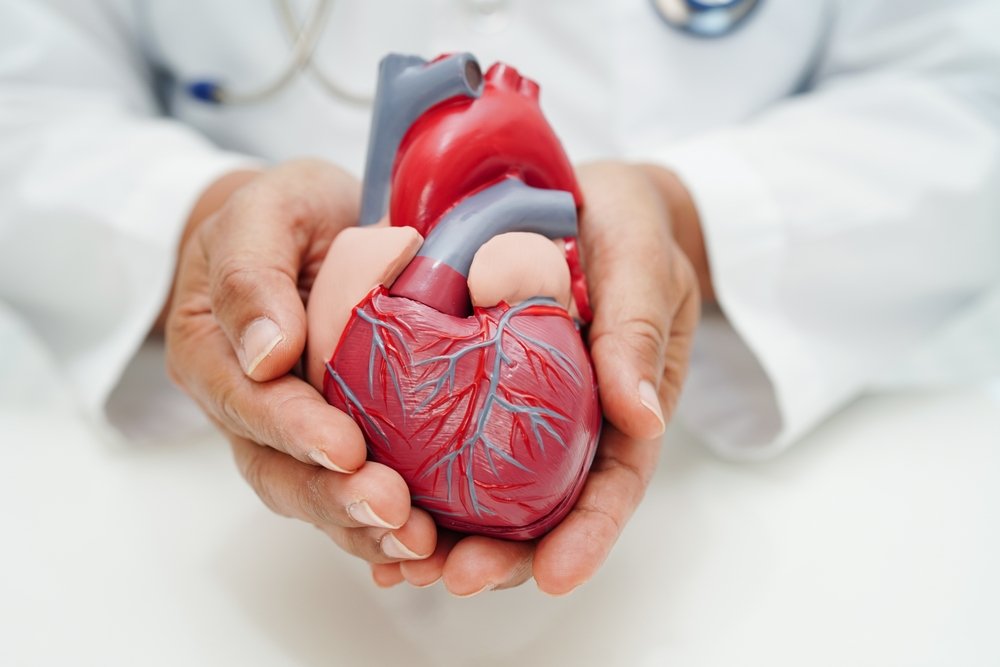
Cardiology is the branch of medicine that focuses on the diagnosis, treatment, and prevention of heart-related conditions. The heart is often referred to as the "engine" of the body, as it is responsible for circulating blood throughout the body, delivering oxygen and nutrients to organs, tissues, and cells. Given the vital role it plays, it’s no wonder that cardiovascular diseases remain a leading cause of death worldwide. As the science of cardiology evolves, treatments and technologies have advanced, offering new hope to those at risk or suffering from heart disease. In this article, we’ll explore the essential aspects of cardiology, common heart diseases, and the latest breakthroughs in heart disease prevention and treatment.

The Role of the Heart in the Body

The heart is a muscular organ roughly the size of a fist and is located in the chest, slightly to the left. It consists of four chambers: two atria (upper chambers) and two ventricles (lower chambers). The heart's primary function is to pump blood throughout the circulatory system. Oxygenated blood is pumped from the left ventricle to the body, while deoxygenated blood returns to the right side of the heart and is sent to the lungs for oxygenation.

The heart beats around 70 times per minute at rest, circulating blood through the arteries, veins, and capillaries, ensuring that all organs and tissues receive adequate oxygen and nutrients. Given this constant activity, the heart requires careful monitoring and protection to prevent the onset of diseases that can compromise its function.

Common Heart Diseases

Heart disease encompasses a variety of conditions that affect the heart's structure, function, or blood vessels. The most prevalent heart diseases are as follows:

1. Coronary Artery Disease (CAD)

Coronary artery disease is the result of a buildup of plaque (fatty deposits) inside the coronary arteries that supply blood to the heart muscle. Over time, plaque restricts blood flow and can lead to angina (chest pain) or even a heart attack if the arteries become completely blocked. CAD is often associated with risk factors such as high cholesterol, hypertension, smoking, and an unhealthy diet. Treatment can involve medications, lifestyle changes, or surgical interventions like coronary artery bypass surgery (CABG) or stent placement.

2. Heart Failure

Heart failure, also known as congestive heart failure, occurs when the heart is unable to pump blood effectively enough to meet the body’s needs. This doesn’t mean the heart has stopped working, but rather that its ability to pump blood is reduced. Heart failure may be caused by various factors, including coronary artery disease, high blood pressure, and valve disease. Symptoms include fatigue, shortness of breath, and fluid retention. Management typically involves medications, lifestyle modifications, and in some cases, advanced treatments like heart transplants or mechanical heart pumps.

3. Arrhythmias

An arrhythmia is a disorder in the heart's rhythm. The heart can beat too fast (tachycardia), too slow (bradycardia), or in an irregular pattern. These irregularities may cause dizziness, fainting, or even sudden cardiac arrest. Some common arrhythmias include atrial fibrillation (AFib) and ventricular tachycardia. Treatment for arrhythmias can include medications, pacemakers, or in severe cases, electrical cardioversion or catheter ablation to correct abnormal rhythms.

4. Valvular Heart Disease

The heart contains four valves that ensure blood flows in one direction through the heart's chambers. Valvular heart disease refers to conditions in which these valves become damaged or diseased, leading to inefficient blood flow. Common examples include aortic stenosis (narrowing of the aortic valve) and mitral regurgitation (leaking of the mitral valve). Treatment options range from medications to surgeries such as valve repair or replacement.

5. Hypertension (High Blood Pressure)

Hypertension is one of the most common and dangerous conditions affecting the heart. It occurs when the force of blood against the walls of the arteries is too high, placing a strain on the heart and blood vessels. Hypertension often has no obvious symptoms but is a major risk factor for other heart diseases, including heart attack and stroke. Managing high blood pressure typically involves medications, lifestyle changes, and monitoring.

6. Congenital Heart Defects

Congenital heart defects are structural problems in the heart that are present from birth. These can range from minor conditions, such as small holes between heart chambers, to more severe abnormalities that require immediate intervention. Some congenital defects are diagnosed in childhood, while others may not be identified until adulthood. Early intervention and regular monitoring can lead to positive outcomes.

The Role of Cardiologists in Heart Health

Cardiologists are medical specialists who diagnose and treat heart conditions. They possess a deep understanding of cardiovascular diseases and work with patients to manage or prevent these conditions. Cardiologists often work in collaboration with other healthcare professionals to develop comprehensive treatment plans that include both medical interventions and lifestyle changes. Key functions of cardiologists include:

  • Diagnosis: Cardiologists use advanced diagnostic tools to detect heart conditions, including electrocardiograms (ECGs), echocardiograms, stress tests, and blood tests. These help identify conditions such as arrhythmias, heart failure, and CAD.

  • Treatment: Based on the diagnosis, cardiologists develop personalized treatment plans that may include medication, lifestyle changes, or surgery. Cardiologists may prescribe antihypertensive drugs, blood thinners, or statins, depending on the condition. In some cases, they may recommend surgical procedures like angioplasty or valve repair.

  • Prevention: Cardiologists emphasize the importance of preventing heart disease by identifying risk factors early, such as high cholesterol, high blood pressure, and smoking. They provide advice on diet, exercise, and stress management to reduce the risk of cardiovascular issues.

  • Education and Monitoring: Cardiologists play a vital role in educating patients about their heart health and the importance of regular check-ups, as well as monitoring progress over time. They help patients manage chronic conditions like hypertension and diabetes, which are closely linked to heart disease.

Advancements in 心臟病發

Recent technological advancements have greatly improved the ability to diagnose and treat heart diseases, leading to more effective outcomes for patients. Some of the most groundbreaking innovations include:

1. Minimally Invasive Procedures

Many heart procedures that once required open-heart surgery can now be performed using minimally invasive techniques. For example, angioplasty, which involves inserting a balloon to widen a blocked artery, is now commonly performed using catheters inserted through small incisions. These procedures generally have shorter recovery times and lower risks of complications compared to traditional surgery.

2. Wearable Technology

The rise of wearable devices such as fitness trackers and smartwatches has allowed individuals to monitor their heart rate, detect abnormal rhythms, and even alert them to potential health problems. Many modern devices also track other factors like blood oxygen levels and sleep patterns, offering patients and healthcare providers valuable real-time data to manage cardiovascular health.

3. Artificial Intelligence (AI) in Cardiology

Artificial intelligence has begun to revolutionize cardiology. AI algorithms are being used to analyze vast amounts of patient data, including medical imaging, to identify early signs of heart disease. These technologies improve diagnostic accuracy and help cardiologists make more informed decisions.

4. Gene Therapy and Stem Cells

Researchers are exploring gene therapy and stem cell treatments to regenerate damaged heart tissue and correct genetic mutations that contribute to heart disease. Although still in the experimental stages, these therapies hold the potential to transform the treatment of heart conditions, especially in cases of severe heart failure.

Preventing Heart Disease: Key Lifestyle Changes

While medical treatments and technological innovations have made significant progress, the best way to protect your heart is through prevention. Making healthy lifestyle choices can drastically reduce your risk of developing cardiovascular diseases. Here are some key preventive measures:

1. Exercise Regularly

Physical activity strengthens the heart, reduces stress, and helps control weight, blood pressure, and cholesterol. Cardiologists recommend at least 150 minutes of moderate-intensity exercise per week.

2. Eat a Heart-Healthy Diet

A balanced diet is crucial for heart health. Consuming a diet rich in fruits, vegetables, whole grains, lean proteins, and healthy fats can help lower cholesterol and blood pressure. Reducing salt intake, avoiding trans fats, and eating more fiber can also contribute to better cardiovascular health.

3. Quit Smoking

Smoking is one of the leading causes of cardiovascular disease, as it damages blood vessels and reduces the amount of oxygen available to the heart. Quitting smoking is one of the most effective ways to reduce the risk of heart disease.

4. Manage Stress

Chronic stress can negatively affect the heart by contributing to high blood pressure and unhealthy behaviors like overeating or smoking. Incorporating stress-reducing activities such as yoga, meditation, or deep breathing exercises can benefit both mental and cardiovascular health.

5. Regular Health Check-ups

Regular visits to a cardiologist or primary care provider for routine screenings can help identify risk factors like high blood pressure, high cholesterol, and diabetes. Early detection allows for timely intervention and better management of heart disease risks.

Conclusion

Cardiology is a critical field of medicine that plays a pivotal role in diagnosing, treating, and preventing heart disease. As cardiovascular diseases continue to be a major health concern worldwide, advancements in medical technology, preventive care, and treatment options offer hope for better outcomes. By adopting healthy lifestyle habits and seeking regular medical care, individuals can significantly reduce their risk of heart disease and maintain a healthy heart throughout their lives.